
I can only tell you what I saw that night.
It’s past 12AM and I’m halfway between the Namba club district and my hostel in Honmachi. It ain’t super risky to walk around at night in Japan, even for a girl travelling solo, but the reason I’ve long made a habit of walking the seediest streets at the darkest hours is a post for another time.
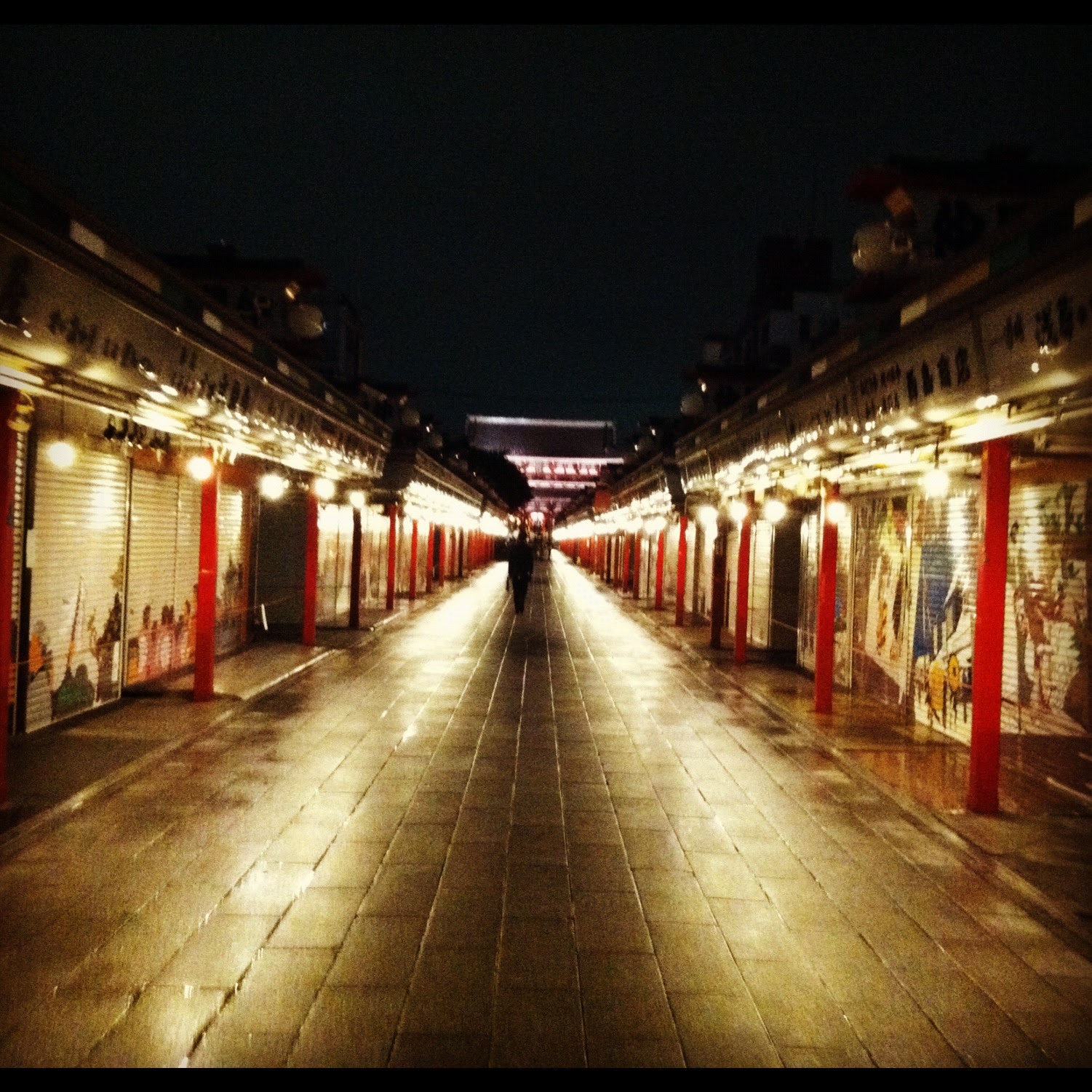
In the wee hours, the main thoroughfares are never quite empty of city maintenance workers and salarymen avoiding going home, and the shuttered shopping arcades get downright crowded with homeless encampments and loud groups of hosts walking home or to the last-to-close hostess clubs. They tend to leave me alone, so I usually take these better-lit routes home.
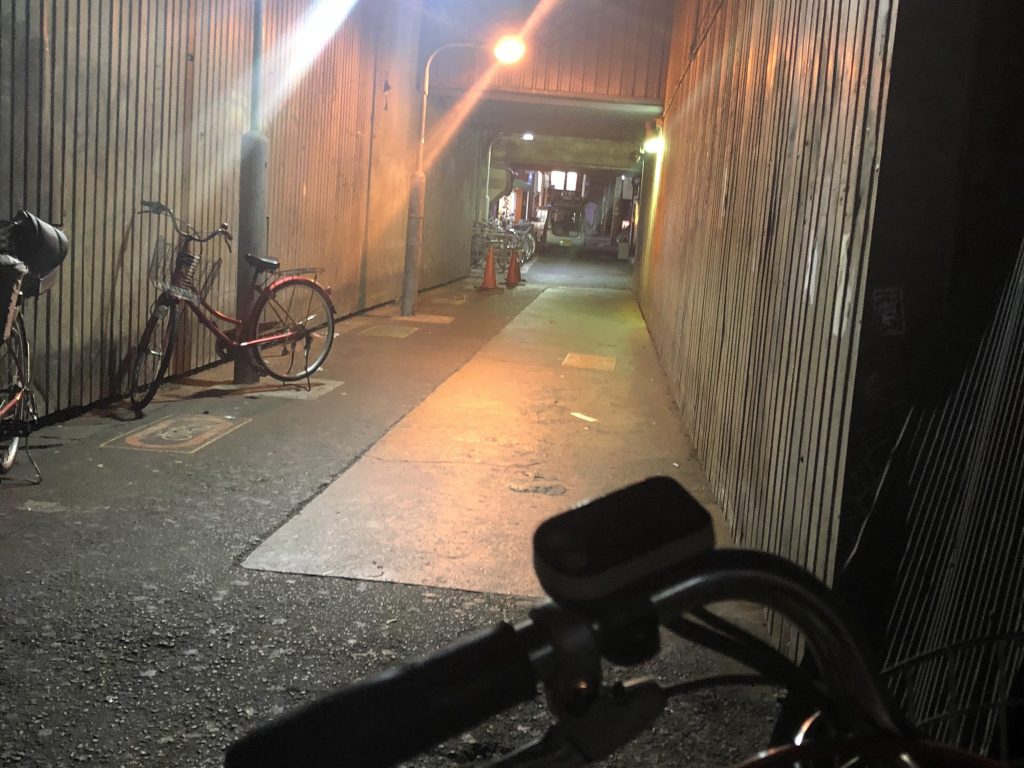
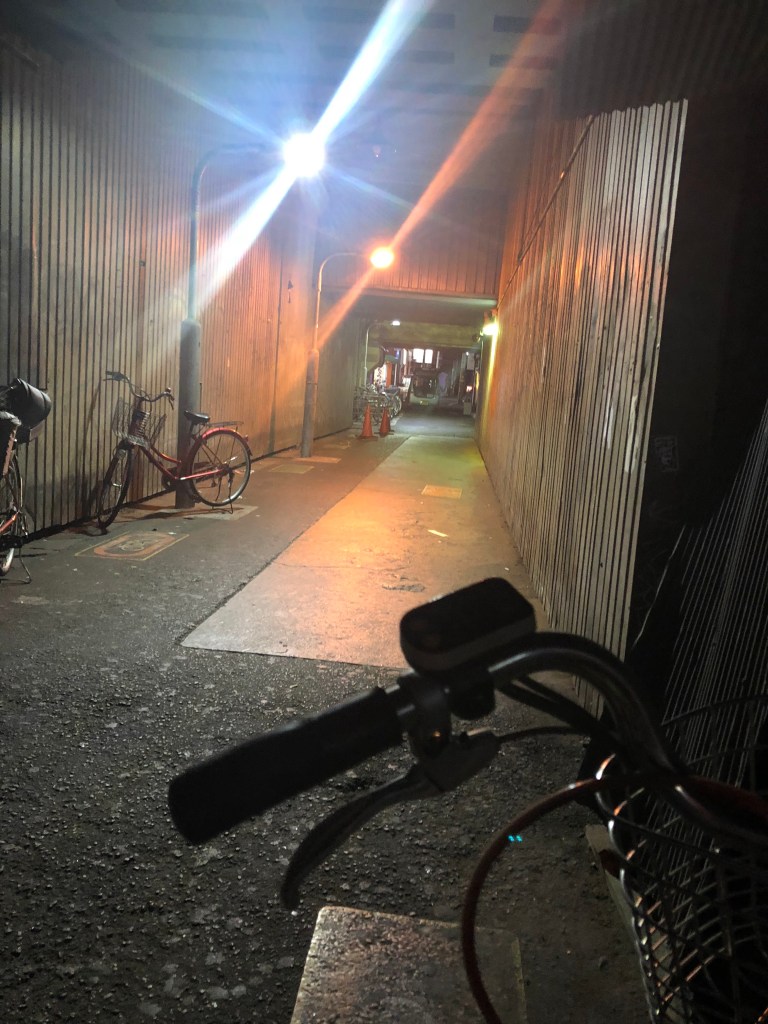
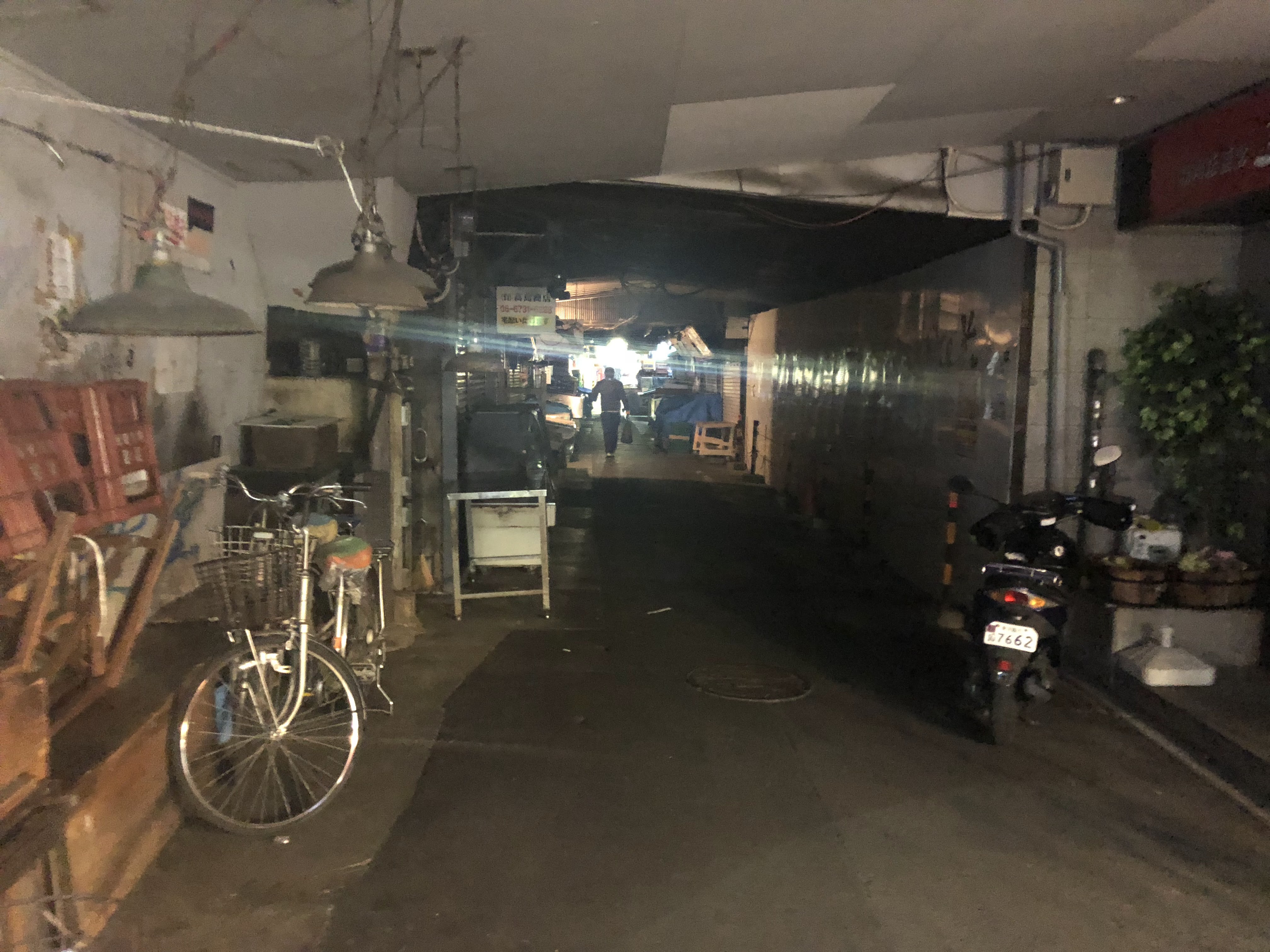
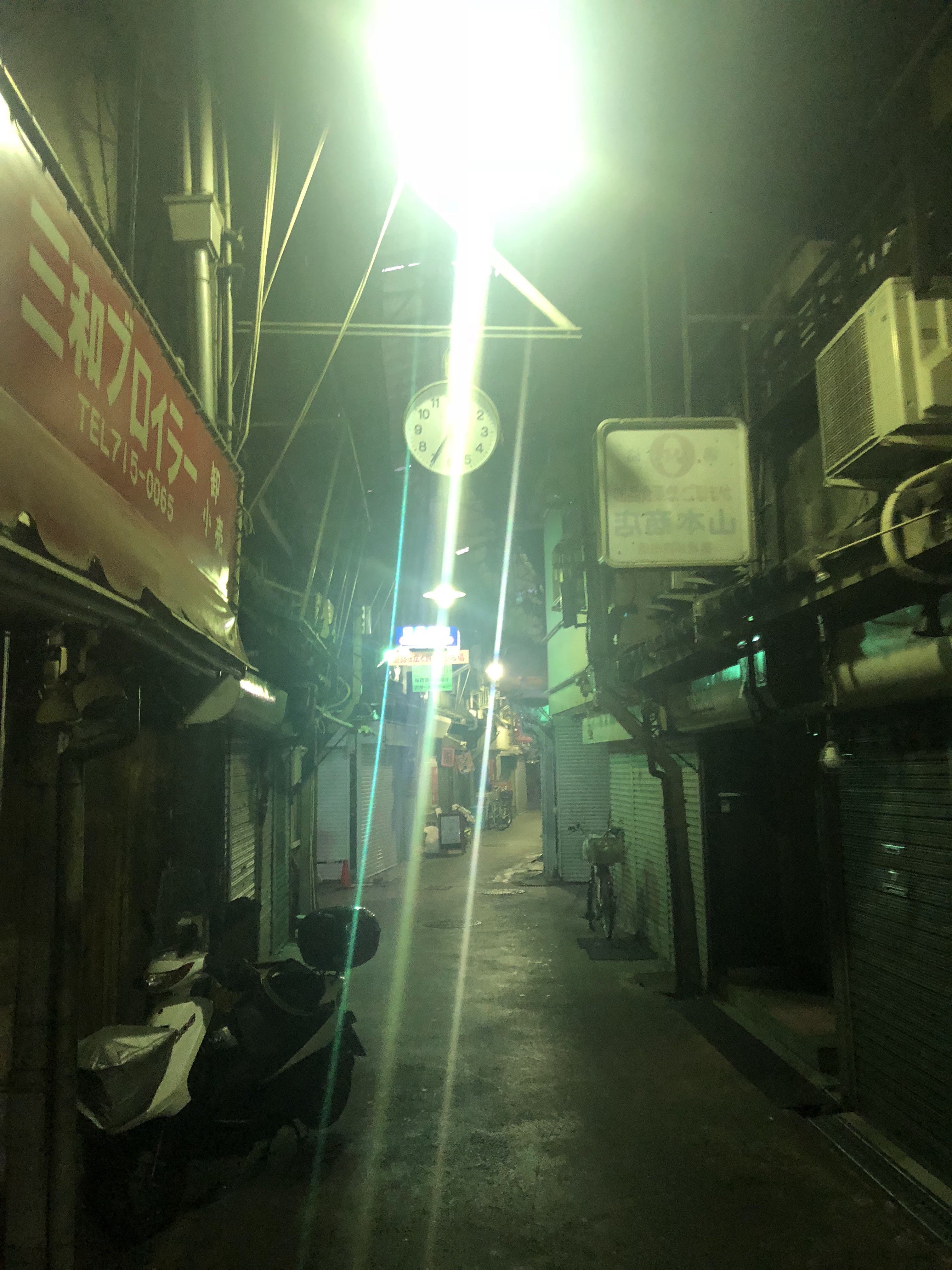
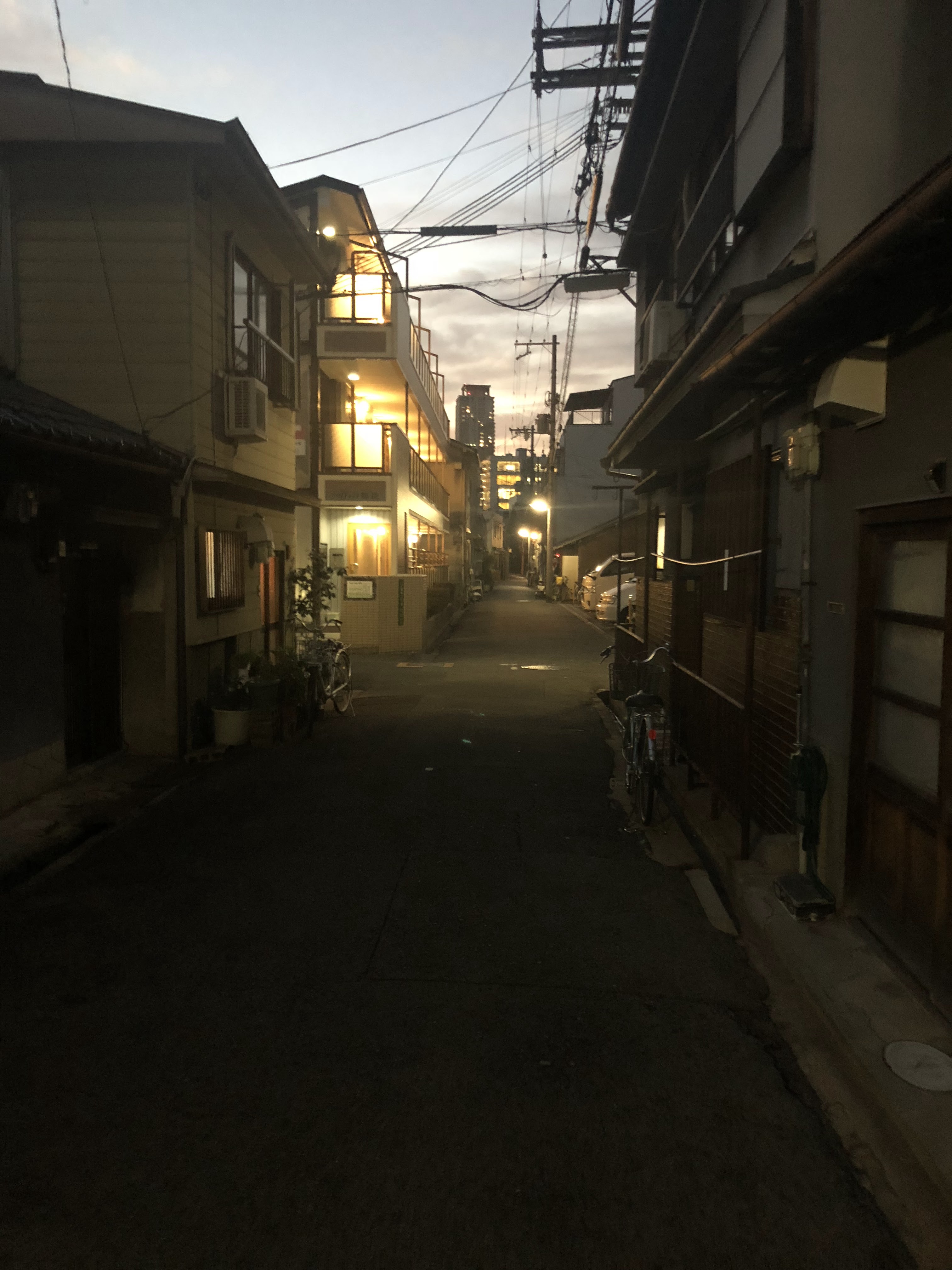
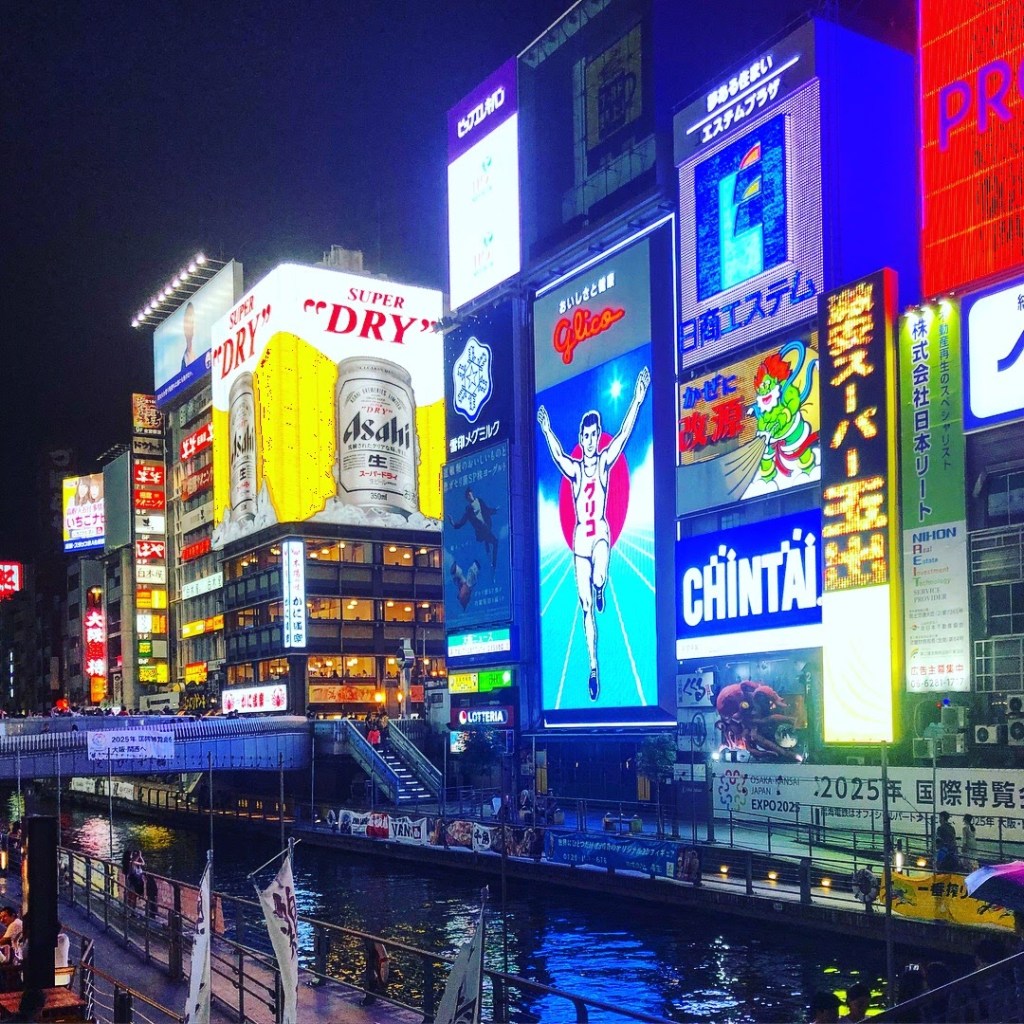
But tonight, I take a back way. I know the grid along the Dotonbori canal pretty well by now, but I’m always curious about a street I haven’t walked yet. It’s cluttered with construction barricades, delivery vans, and trash pickup, and the buildings back here are all elbows; it’s impossible to cut a straight line and there’s barely room to skirt past another human. But the narrow walk is quiet and I’m alone with my jagged path.
A man stumbles into it.
To this day, I can’t recall where he came from; somewhere to my left, I think, and he staggers straight across the street in front of me and over to my right, crashing sidelong into the sloping knoll of trash bags.
Usually, the drunks are with friends, or at least talking to themselves as they weave their way home. This man is alone, silent, and he’s fallen to the ground.
I’m forever haunted by a pair of Japanese souls who once stumbled across my path and I didn’t stop. Another post for another time. I stop.
Actually, I think I did some staggering of my own, approaching hesitantly, like you do a dog that may bite. But I soon find myself crouching at the man’s side and taking his shoulder, trying to tug him upright from the garbage bags.
“Daijoubu?” I ask over and over while I keep pulling. “Are you alright?”
He’s not alright.
His eyes are rolled back, he’s covered in sweat, and there’s foam sliding down his chin. I don’t know if it’s alcohol or drugs or something else. He’s too heavy for me to jack upright, but he manages to get into a sagging squat on his own. I can still feel him tipping back against the garbage to stay up, but he seems aware enough to stay put like that.
I ask if he’s hurt, if he’s alone, if there’s someone I can call for him. He still doesn’t speak; only low groaning while he rocks on the balls of his feet and clutches at his own hair.
It feels so empty back here.
My phone has a rental SIM; data-only, I can’t make standard calls. I don’t know the Japanese words for drugs or sicknesses to ask him about them, and he’s unresponsive anyway. My mind scrambles for a way to help.
In Japan, you’re never more than ten steps from a vending machine, so I run and get some water, but my attempts to help him drink it are unsuccessful.
I’m stuck; I can’t leave him, but I’m stumped for how to help. Sometime while I was getting the water, he has thrown up on the ground, and the foam is still running down his chin while he groans and rocks. I feel the still full water bottle bump against his arm and slosh down my wrist. Then I hear voices nearby
Someone will see us and know we need help.
Two young men in long gray suitcoats are chatting as they cut across the road behind me, fresh from work at half past midnight. I call to them and watch the familiar parade of startled, confused, curious, and then skittish march across their faces as they reluctantly approach the foreign girl crouched among the garbage bags.
“Can you help me?” I ask the shakaijin who approached the fastest, hoping that means he’s less scared of me. “My phone can’t make calls, but this man is sick — would you call an ambulance?”
He blinks several times, taking in me and my stumbling Japanese; taking in the man crouched in his own vomit beside me. The young man looks about my age. He’s honestly so attractive. If he is indeed a twenty-six-year-old working adult, then I can know right away that he works very hard, bears up under a lot of stress, and fights to keep his place in a ramrod-straight line.
This is a bad alley for straight lines.
“Is this man a friend of yours?” he asks dubiously.
“No, I’m just a tourist. I just saw him and I’m worried. I don’t know what’s wrong, but he seems very sick.” I hear the young man’s friend suggest too much saké, darting a longing look back at their original path toward downtown. “I’m really worried,” I press. “Please, will you call an ambulance?”
The shakaijin quickly agrees and I wait with the man while he calls. His friend still looks anxious to leave. I don’t blame him, I would want to leave, too. They had a night planned and didn’t want to be stopped, but now they’ve crossed a line and they’re stuck on the other side of it.
We all wait awkwardly for an ambulance.
When the paramedics arrive, they b-line for the young men in nice coats to ask questions about the man’s situation. I feel bad, because their guess is as good as the paramedics’ as to why the blonde tourist felt the need to call them, but when the paramedics turn their questions on me, I don’t have any answers. I did use the wait-time to look up the Japanese words for “drugs” and “overdose”, to voice my concerns in more detail.
I’m relieved, watching them load the man up on a gurney when I couldn’t even sit him up. But as one of the paramedics locks the gurney into the back of the ambulance, the second returns to me with a look I can only describe as kindly exasperation.
“Ma’am, he’s alright. He’s just drunk.”
I know that ought to feel quelling. I should feel embarrassed for sounding alarms and calling in professionals. But I feel neither embarrassed nor quelled, which is weird for me.
“He seems really sick and he’s alone,” I explain. “I’m worried about him getting home. It’s dangerous for him to stay out here in the street.”
The paramedic smiles and waves a dismissive hand, like he means to cheer me up. “It’s very common in Japan. Men often drink too much and make themselves sick.”
“But it’s dangerous for him to be so sick and alone in the street,” I push.
The paramedic’s expression stretches, pulling even kinder on one side, even more exasperated on the other. “It’s nothing to worry about, he’s just drunk. He’s alright. We’ll take him to the hospital so he can sleep it off, but he’s alright.”
I thank the paramedics. Maybe he is “just drunk”. I watch the ambulance doors close and wait to feel quelled. Maybe it’s very common in Japan to collapse, and vomit, and groan aloud with no one to hear. I notice that the two shakaijin left sometime while I was speaking with the paramedic, fleeing the jagged alley and the fretful foreigner. I wait to feel embarrassed.
But I don’t. The ambulance has left now. I’m walking home alone and I’ll never know exactly what just happened. I can only tell you what I saw, what I do know for sure. The shakaijin and the paramedic were wrong about at least one thing.
That man was not “alright.”
In Japan, there is a straight path for you from childhood, and you don’t deviate. There are more unspoken rules than there are laws, creating lines you do not cross. The drunks are okay, so long as they sleep it off and are back at work tomorrow. But if they’re jobless, nameless, passed out in the street with no colleagues to haul them home, they’re over the line.
Are they just drunk? Will they sleep it off? Do they have friends to call or family to come pick them up from the hospital in the morning? Will they be alright?
The trick is to not look.
Once someone has fallen from society’s grace, you may pity them, but there is guilt by association to worry about. Straying down the jagged alleys and into their mess puts you over the line. Do you want to be a success? Don’t look, don’t see it, don’t acknowledge that they’re not alright. After all, you’re not alright either, but every day, you work so hard, bear up under so much stress, and you fight — you fight so hard — to keep your place in line.
The failures don’t deserve your compassion.
It’s hardly just Japan; we don’t admit that we’re not alright, we don’t acknowledge the sick and fallen, we don’t cross those lines. It’s a pain, it’s exasperating; it’s complex and layered, no good solutions, wiser men than us have tried and failed to fix it; it’s polarizing, it’s too politicized, it’s so sad — everyone wishes you hadn’t brought it up.
We get stumped, and stuck, and quelled, and embarrassed, and in the morning, no one even remembers. It’s fine. It’s very common. Get over it.
Your compassion isn’t welcome here.
When I finally made it back to Honmachi at a modest 2:45AM, I found that I had prayed the whole way, not for the sick man (I did plenty of that while waiting for the ambulance), but for the weary paramedic who had to deal with a tourist making a fuss about a deadbeat drunk, and for the hardworking, attractive young man, who missed his post-shift drinks window because a random American girl had caught him on a cut-through and asked for his help.
I prayed that they saw something tonight. That they had looked at a common scene in Japan, and this time, maybe for the first time, seen the evil in it; the shadows beyond that line that devour any man, woman, or child who falls from grace. I hope they saw that evil.
You won’t look for a cure until you know you’re sick. You can’t have compassion until you understand the great need.


 DO NOT CROSS
Leave a comment