
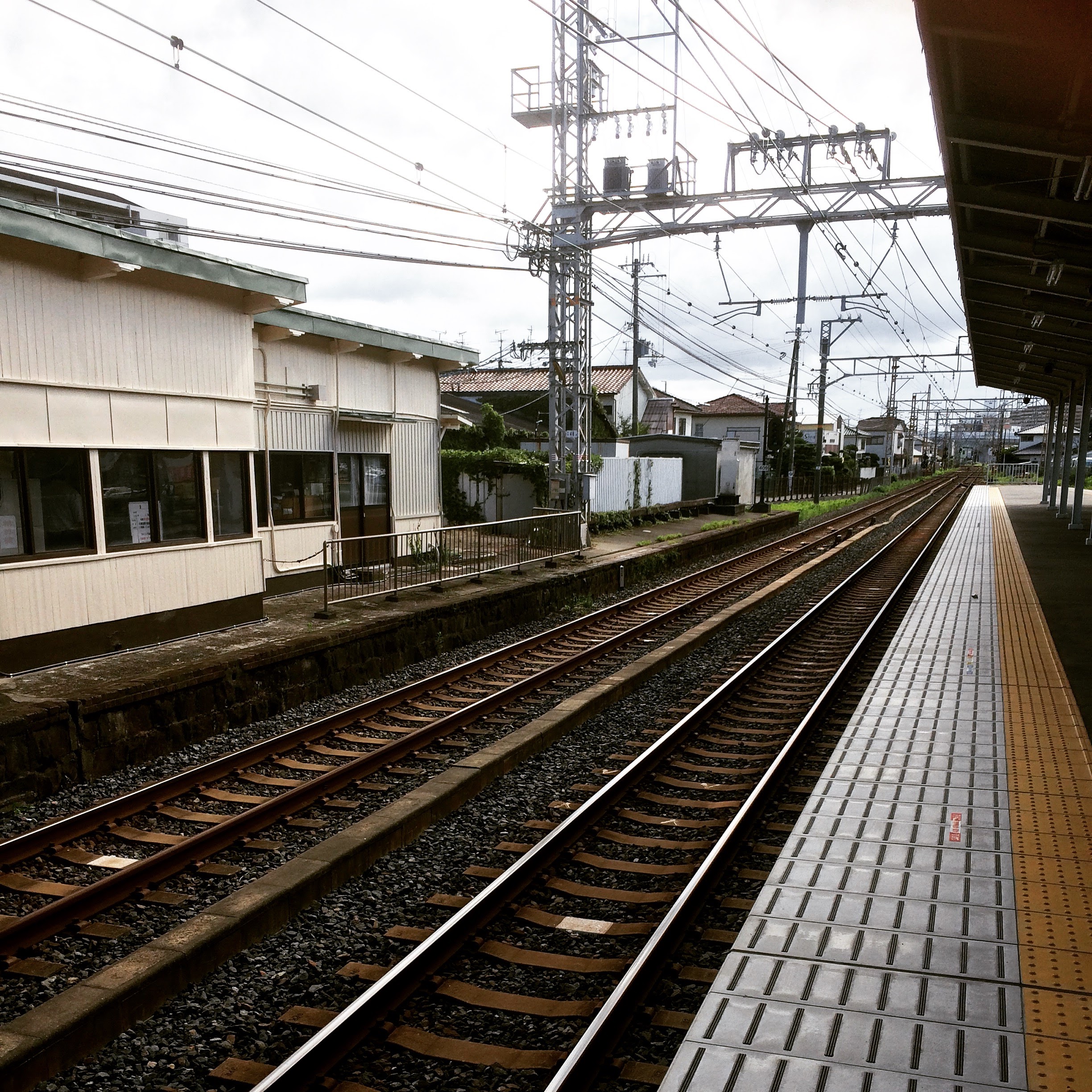
Getting lost is an artform.
Later in my Japan Travel Life, I will discover SIM rentals. But it’s 2013 and I’ve never crossed an ocean before, so I’ve gone the only sensible route for nomadic exploration; phoneless.
I have my iPhone 4S, but I keep it on airplane mode the whole trip, terrified of International Roaming charges. But my dad, ever ahead of the technological curve (and me), has been emailing with me about my trip so far (it can be lonely when you’re the only person you know in your current time zone, and there’s my dad, wide awake at 1 AM EST on an ER shift), and the next thing I know, a package arrives at Hostel S for me, containing a rental track phone and a Wi-Fi hotspot.
He also instructs me to go find an Apple store and pick up one of the all-new iPad Minis with Wi-Fi only, so I can use it for Google Maps and Skype without worrying about cell charges.
I freaking love my dad.

The art of getting lost is all in the face. Never look lost.
Realize you’re headed the exact wrong direction? Pretend to get a phone call > “hear” that your “friend” is meeting you elsewhere > do an about-face and keep merrily gabbing (preferably in a language no one’s heard before coz it’s Offengloffish.)
Hopelessly turned around? Dart into a nearby restroom to hook up your iPad Mini to your rental hotspot and load up Google Maps > take a screenshot > email it to your phone > continue your journey.
Look, I know it sounds inefficient and antiquated, and it is, but this is how they found their way down the Oregon Trail and around Cape Horn with their spices and rivets and things, a’ight? They, too, had nothing but rental hotspots and iPad Minis, don’t knock the resourcefulness.
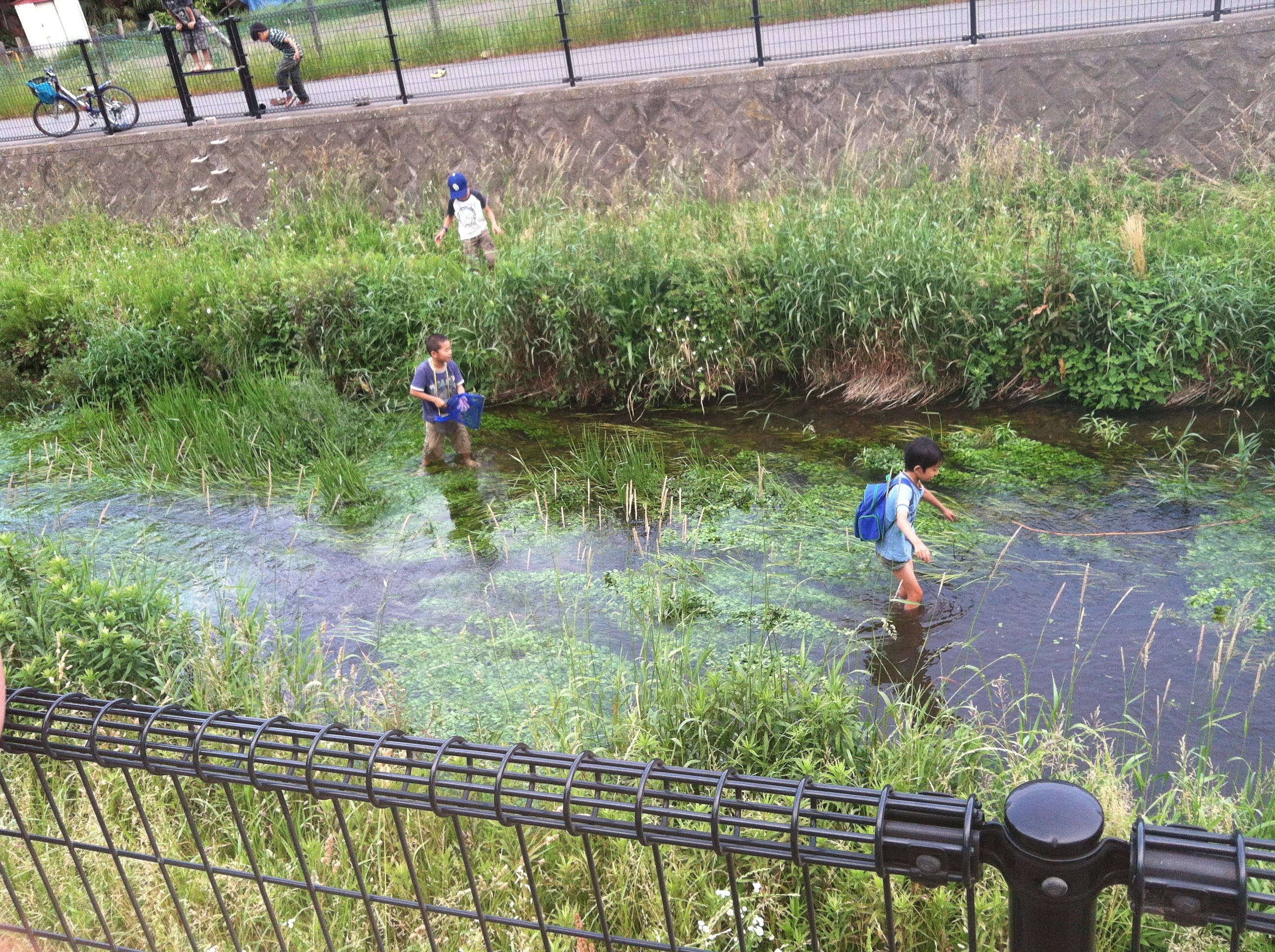
Before coming to Japan, a friend of a friend connected me via Facebook to another friend living outside Tokyo, and his wife is coming to meet me somewhere north of Shinjuku to take me back to their apartment for a sleepover while her husband is travelling.
I don’t know what kind of intensely compassionate, unselfish wondercorn you have to be to sign up for such a thing, but sure enough, Rita meets me at the local subway station, and leads me through the catacumbal labyrinth of alleys and stores, into the rainy twilight of Japanese suburbia.
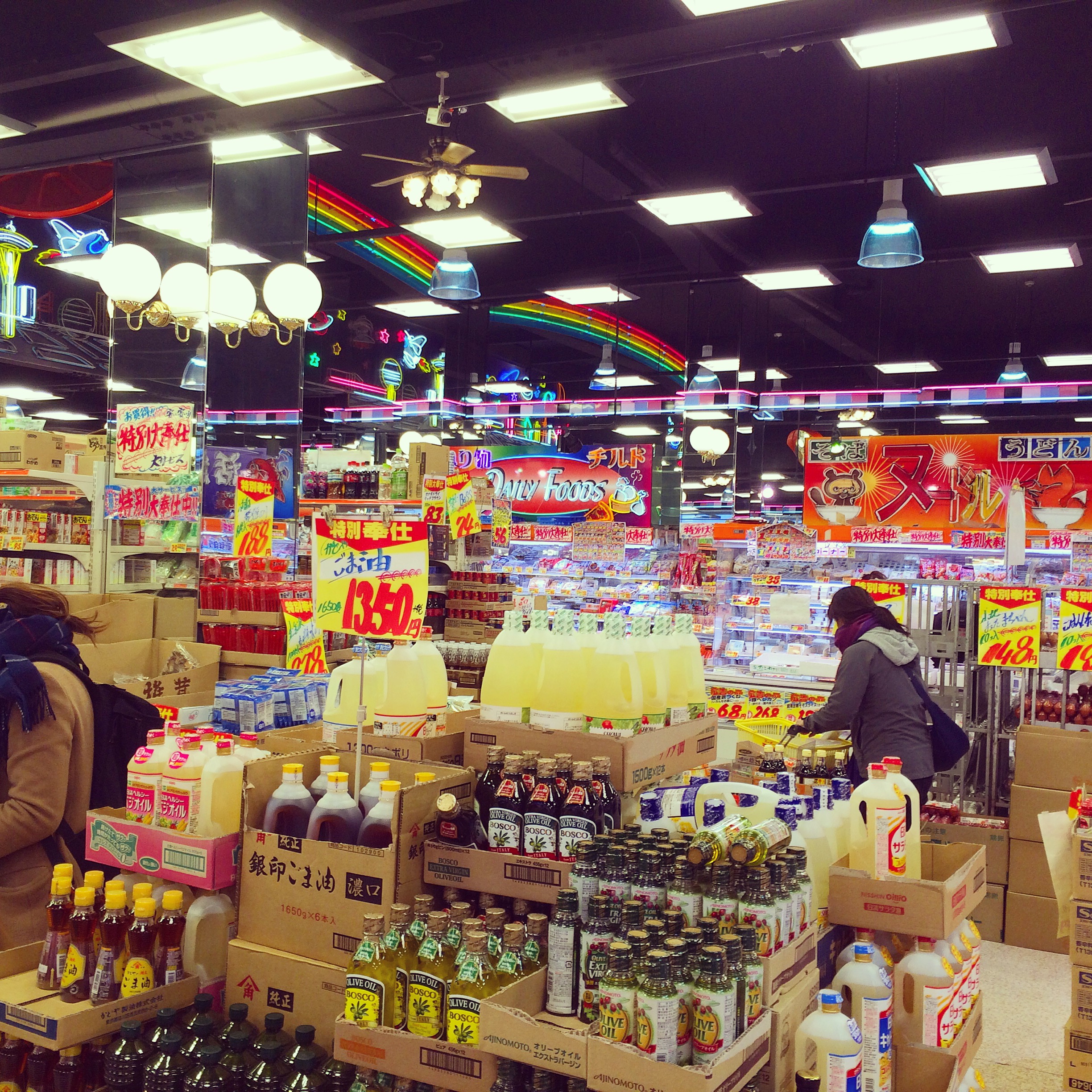
Rita is my age and she married her husband, Josh, a year ago, knowing it would mean uprooting from Maryland and moving to the mission field in a country where she barely knew how to say “hello” and “thank you”. I watch in wonderment as she charges into the packed supermarket and confidently fills her basket with two foods I recognize and twenty I don’t.
Back at her little 2-bedroom, third floor walk-up, Rita makes dinner while graciously allowing me to photograph everything in the apartment, from the genkan to the literal kitchen sink. Not sure why I’m so lovestruck by a standard apartment in Japan. No, I know exactly why, but I do recognize that I have a problem.
Thanks to Rita, I discover that inarizushi and California rolls I can manage (still can’t have regular sushi to this day), karaage is a safe bet for protein going forward (fried chicken), and that dango are cute in Clannad but in real life, they make me gag (kind of like Clannad in retrospect…).
Lastly, she introduces me to Aquarius — Japanese Gatorade. I owe her a life debt for that — at this point in my life, I haven’t yet encountered the 104 degree summers and 98% humidity of Osaka, but one day, when I meet Rita in heaven, I need to tell her she saved my life with that Aquarius intro.

After dinner, we play Othello and Rita shows me her study books. I’m struck by how God put a love for Japan in my heart long before coming here, making the language-learning part something I could enjoy without pressure. But Rita doesn’t complain.
“God gives me what I need when I need it, including a love for the Japanese people and the language.”
(Except for kanji, but everybody hates kanji, even Japanese people.)
It’s my 2nd night in Japan, and at last, the jetlag is hitting me like a runaway shinkansen. Rita makes a bed for me in the office, but then turns on Gilmore Girls to help me stay up. After Dead Uncles & Vegetables, she pulls out another disk.
“Keep going!” she chants like a school-life anime cheer squad leader. “You’re almost to 10:30, you can do it!”
What a woman.
I make it through Scene at the Mall, and then pass out on a sleeping bag, on the floor of Josh’s office.
I hadn’t wanted a phone. I hadn’t wanted to meet with the wife of a friend of a friend of a friend. I’d intended to do Japan completely on my own with no help at any point. But now I have a hotspot and a iPad, an adjusted sleep schedule and Japanese Gatorade, a day of not getting lost ahead of me, and a friend.
Sometimes, you gotta stop being a headstrong nomadic lunatic long enough to let God love you through incredible people.
I plan to go right back to my stubborn pixie dream-squirrel ways on Sunday.

The next morning, we meet up with Rita’s sister-in-law, Sandra, and hit the town. You can’t do a Google search on Tokyo without learning about Harajuku;
The gaudy and sensationally polluted water-trough uptown streets, overflowing with Japan’s most avant-garde trendsetters, fashionistas, human traffickers, and really really weird otakus.
– The Internet
It’s kind of pink, I guess, I dunno, maybe you gotta see it at night or something. The cosmopolitan shopping district is pretty dead first thing in the morning, but we get some thrillingly tiny cups of ice-cream and I’m exposed to the infamous Puri-Kura: the interactive photobooth experience where you can get all dolled up for your glam-shot and invariably come out looking like an alien.

I feel like a real tourist.
I thought I’d hate that feeling, but I’m having so much fun following my lovely guides, and realizing that total avoidance of The Tourist Feeling would have led to me never visiting Harajuku, or our next stop: Shibuya.
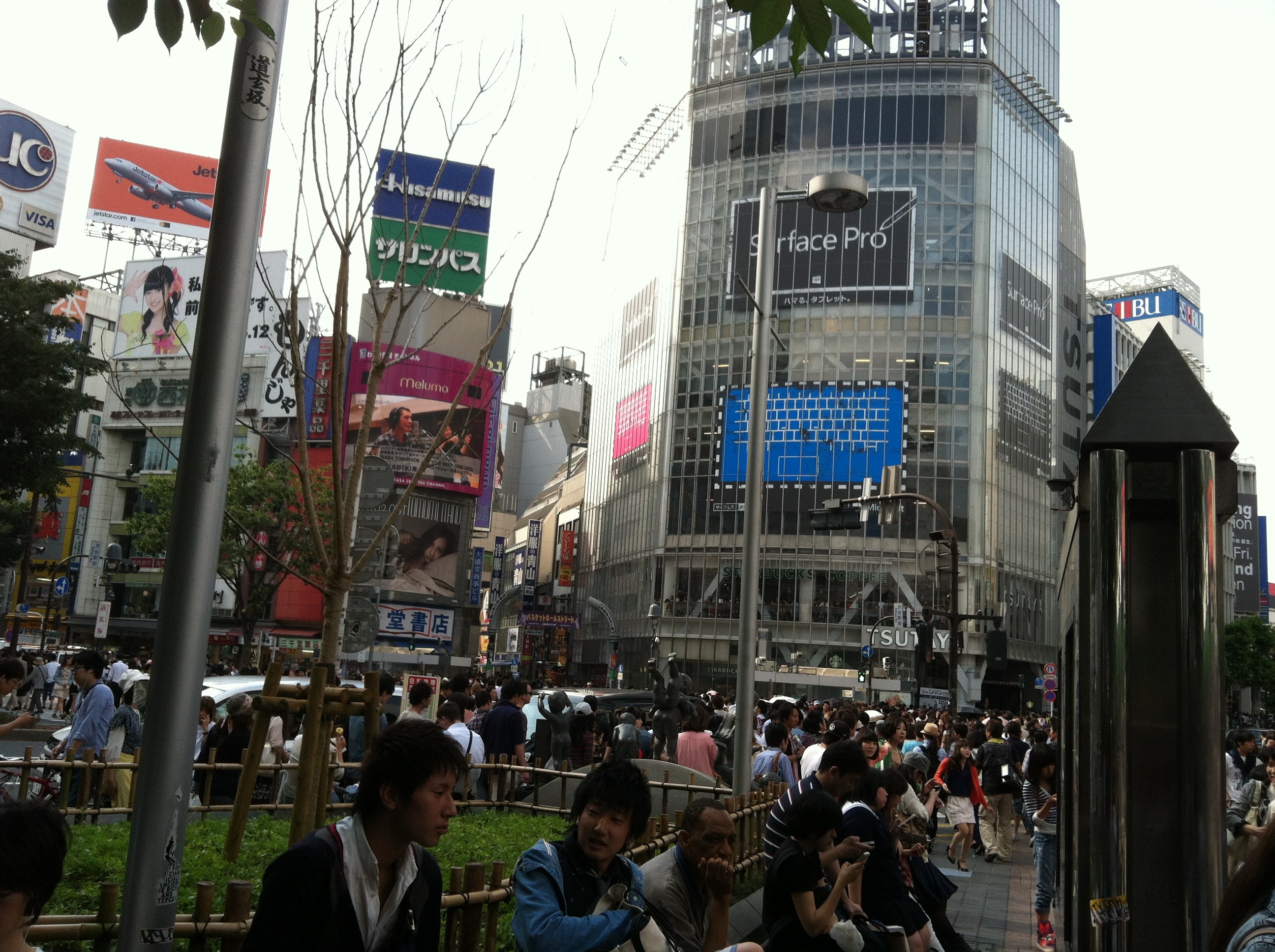
Rita and Sandra lead me across the famous Shibuya Crossing to the equally famous Starbucks (famous for its view of the famous crossing) and I try the famous national beverage: a Matcha Frappuccino. I’ve managed to burn myself out on these over the years, but I’ll never forget that first time trying it — just bright green liquid ambrosia in a plastic cup.
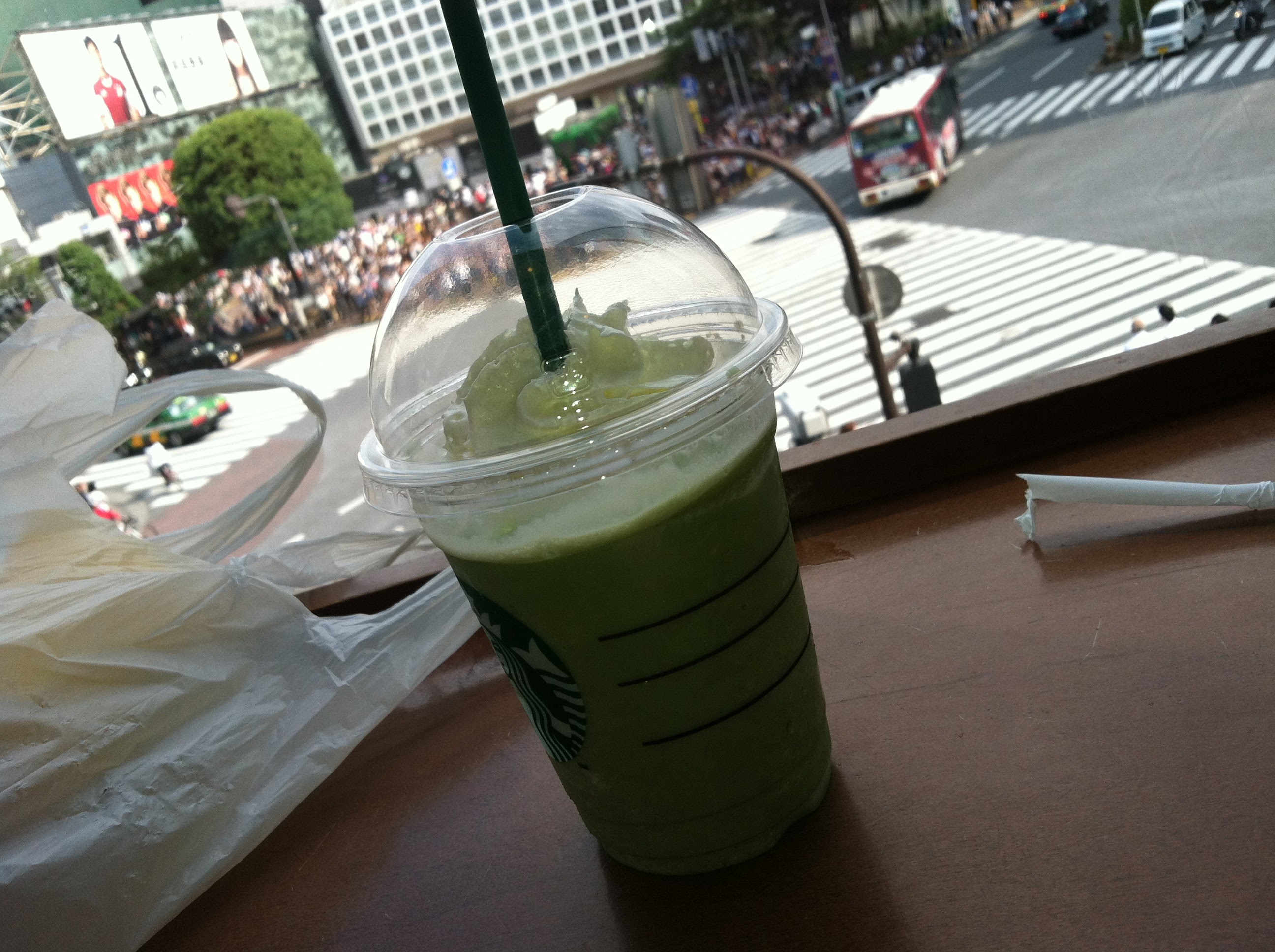
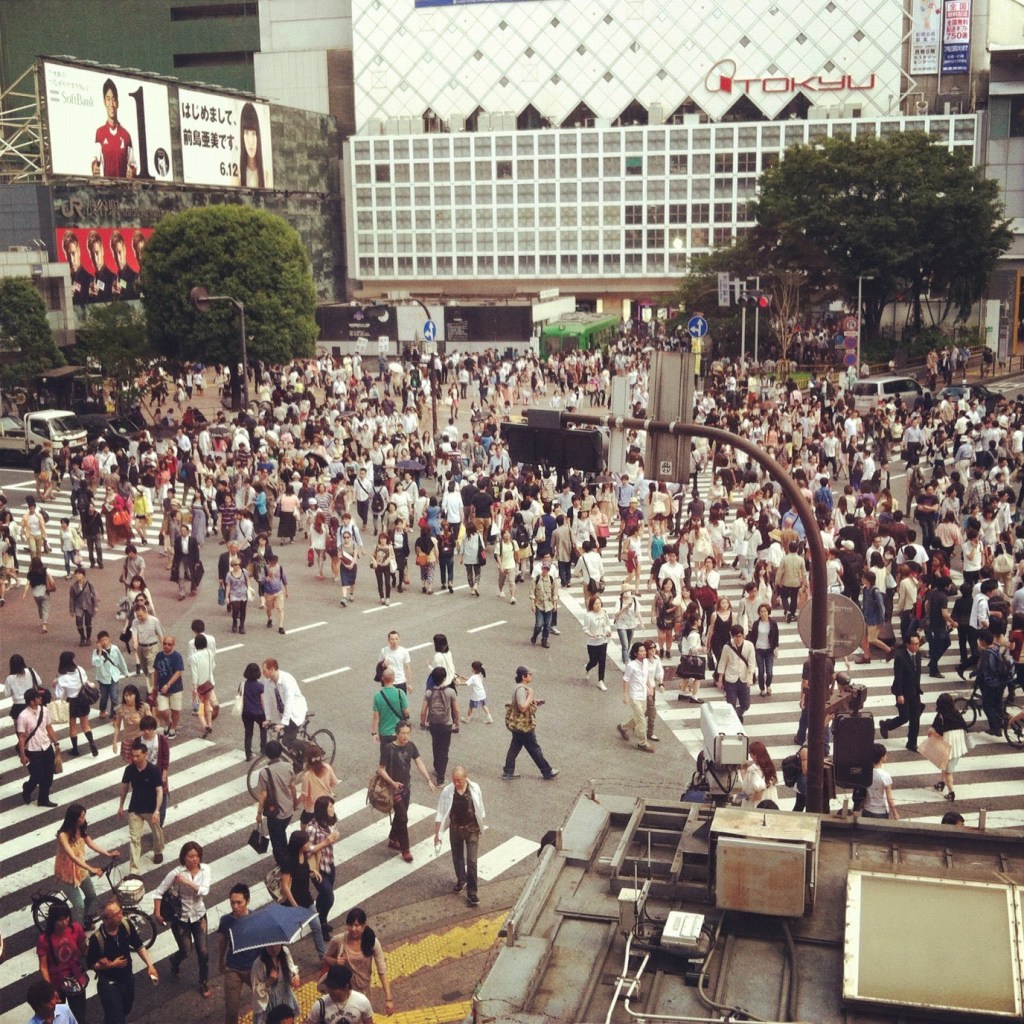
Others at the bar counter are counting down and I realize it’s for the crossing signal below. The walk lights ping with robotic birdsong and hundreds of pedestrians are released into the intersection below, like the Red Sea converging on the Egyptian army’s pursuit of Israel.
It’s that epic.
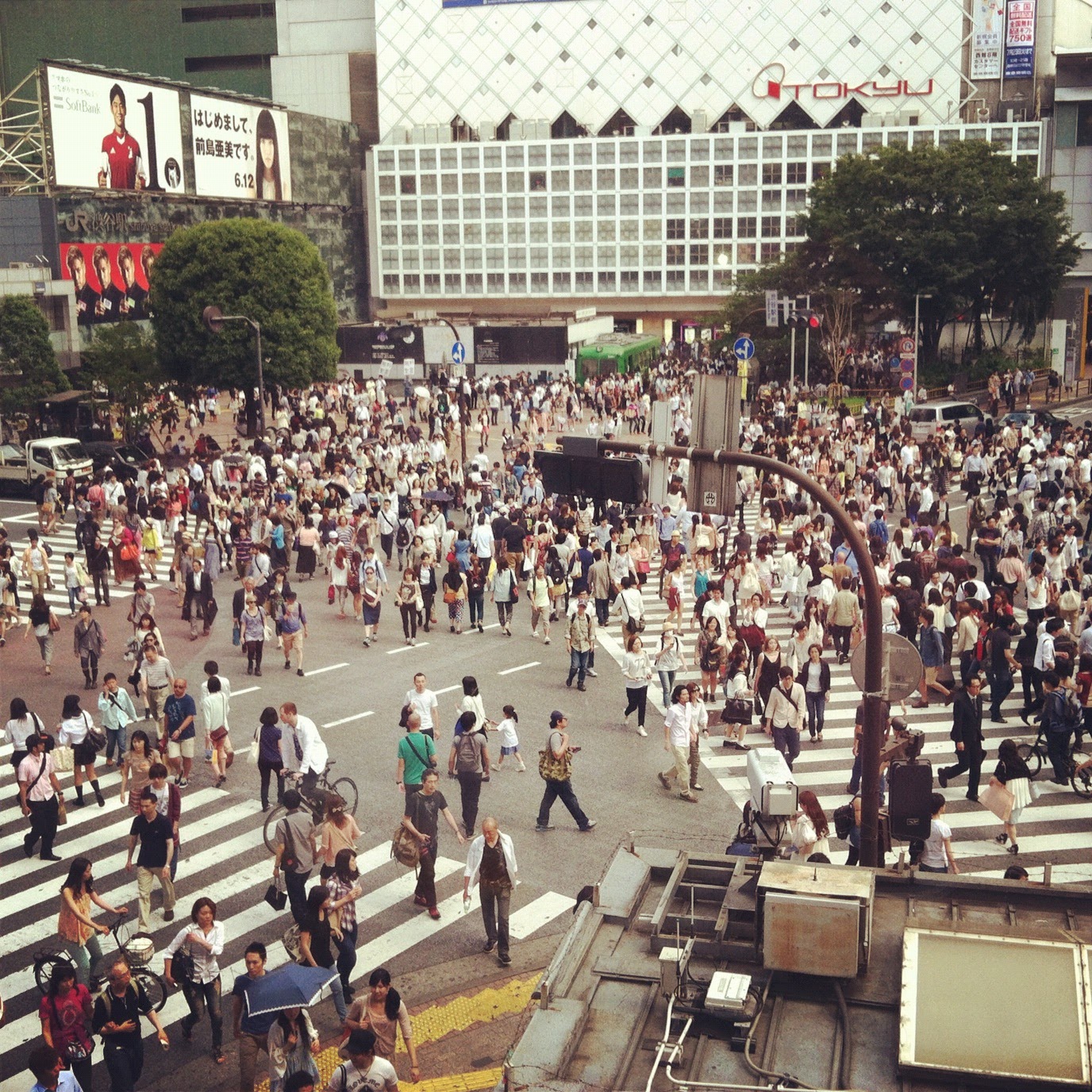
It actually takes my breath away. I’ve been lost down in the deep streets and trains since I got here — this is my first bird’s eye view of Japan, my first impression of scope and scale. I knew there were 127 and half million souls here, but the number takes on more shape and color here in Shibuya. Looking at this picture, knowing that number has dropped by 5 million in the last ten years breaks my heart and reawakens a sense of urgency in me here in 2023.
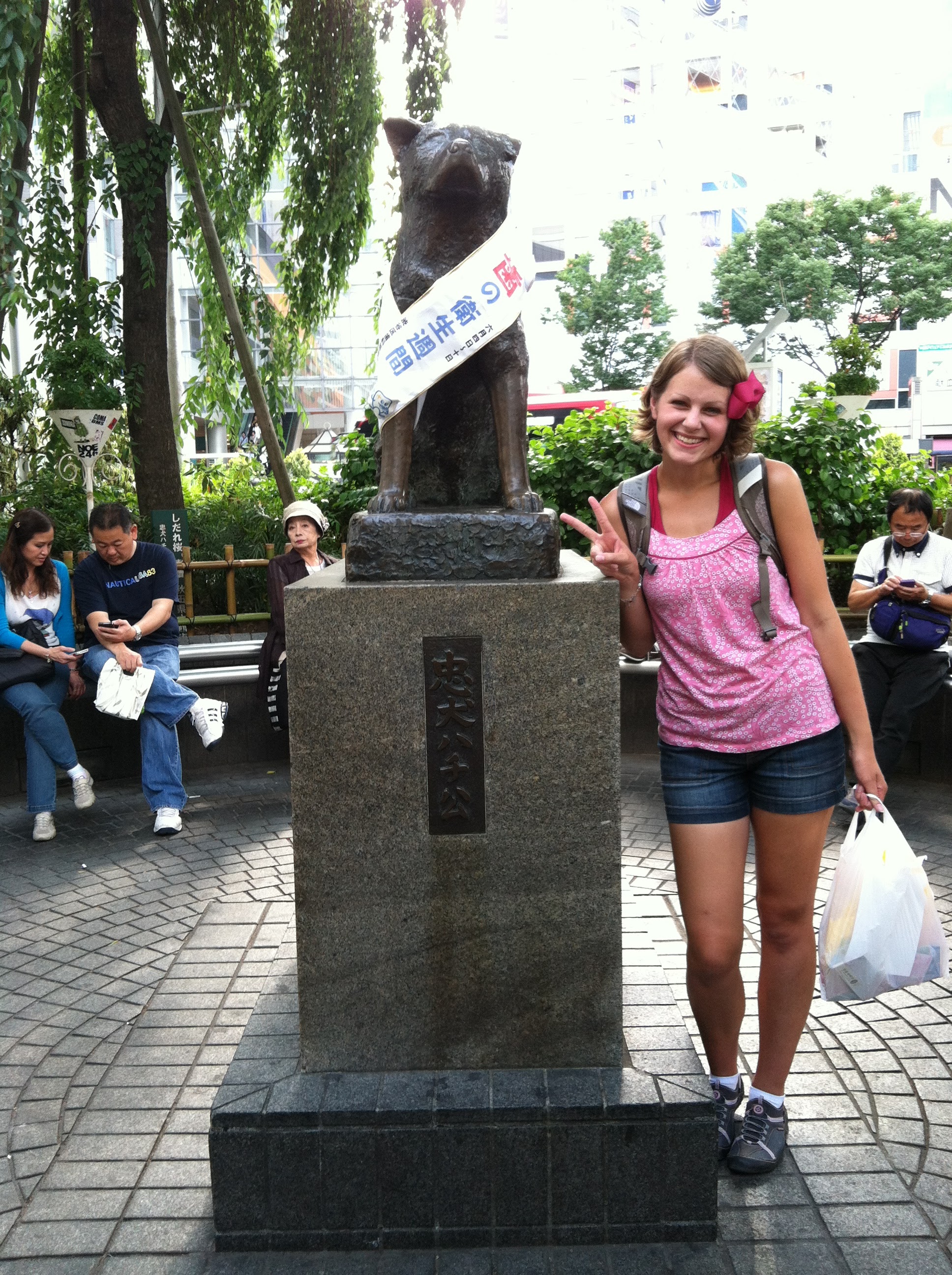
We exit the Starbucks and go experience the crossing for ourselves again. Just after Rita takes a photo of me with the statue of Hachiko, the three of us find ourselves cornered by a film crew from NHK. They are interviewing tourists and want to know how long we have each been in the country. Rita says “one year”, Sandra says “since high school”. I say “two days”, and watch my poor friends practically elbowed aside as the crew surrounds me with cameras and microphones.
“Is it your first time?” “Where have you visited?” “What have you eaten/purchased/photographed?” “Would you consider dating Japanese guys?”
I freaking love this country.
Heading back to the station, we bump into a group from one of the nearby universities, and Sandra knows one of them, so we get to chatting. One is named Takuya and he’s excited to hear I like Jpop. I’m excited to hear he likes YUI. I can’t remember what I told NHK on the dating-Japanese-guys topic, but my answer in this moment is “yes”.
They’re on their way to Meiji Jingu and invite us along. I don’t know what that is, but Takuya is very cute, so yes.
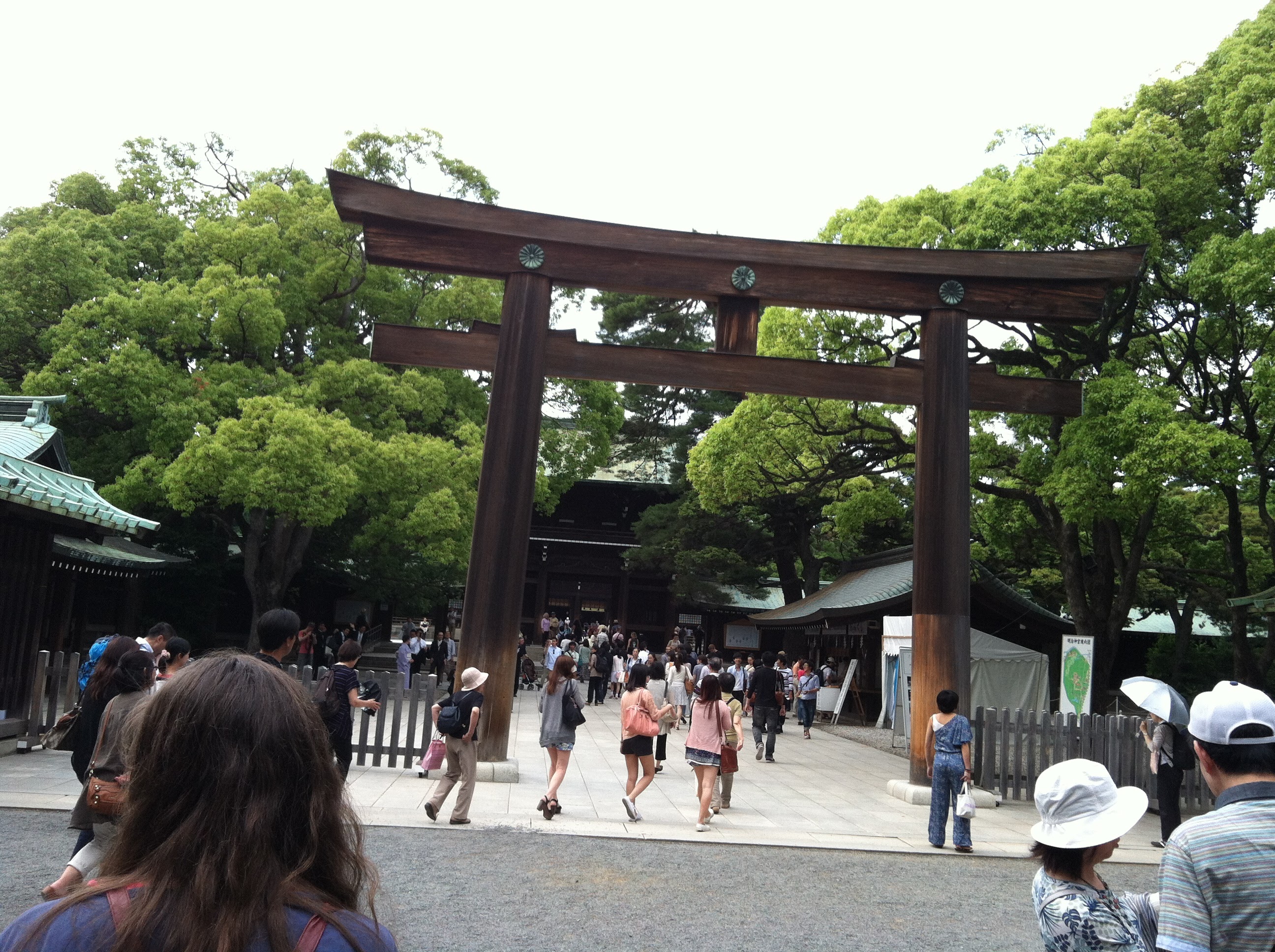
Meiji Jingu was completed in 1920, dedicated to the deified Emporer Meiji and Empress Shouken and I was today-years-old when I learned that. All I knew that day in Tokyo was that we were suddenly standing at very pretty fountain well and Takuya was kindly giving me instructions on how to cleanse my hands and mouth before entering the shrine.
Crap. My flirting era was so short-lived.
I try explaining that I’m a Christian, so I can’t take part in a religious ritual that isn’t Christian. Takuya seems confused and some of the other friends try to explain that it’s not a bad ritual. One even says it doesn’t really mean anything. No, I know, I’m just a Christian, so it means something to me, and I can’t.
But that means you can’t go in. No, I know, I guess I won’t, then.
Rita and Sandra try to reassure me, too. The Japanese people don’t tend to take this kind of thing that seriously, it’s just a lovely tradition, a show of respect for Japan’s history and culture.
No, I know. I think I’ll just wait out here. It’s really hot anyway. No, it’s totally fine, I just need to sit for a minute. Go ahead without me.
I watch the group head through the great Torii Gate and find a nice low wall under some trees where I can sit and feel conflicted for a while. I was having so much fun, and then I had to put a damper on things — was it that big of a deal? I sigh aloud.
No. And that’s the problem.
I think of the teaming rivers of life flowing through Shibuya Crossing; the hustle of a city so vibrant and famous, news crews are dying to know what a first-time tourist ate for breakfast here. Tokyo runs like clockwork and pauses like a NASCAR pitstop, and here in the thick of it, I watch dozens of Japanese young people wash their hands to enter Meiji Jingu’s inner garden in a practice as perfunctory as purchasing a train ticket, as meaningful as stepping into a photobooth with friends.
Religion isn’t that big of a deal here. No god is really sought or needed here.
For a bustling, materialistic, technologically advanced society, there is no better slow poison than empty traditionalism and the “nice idea” of God.
Yeesh. You can’t take me anywhere, I’m a little black rain cloud at shrines.
I wish I was a storm.
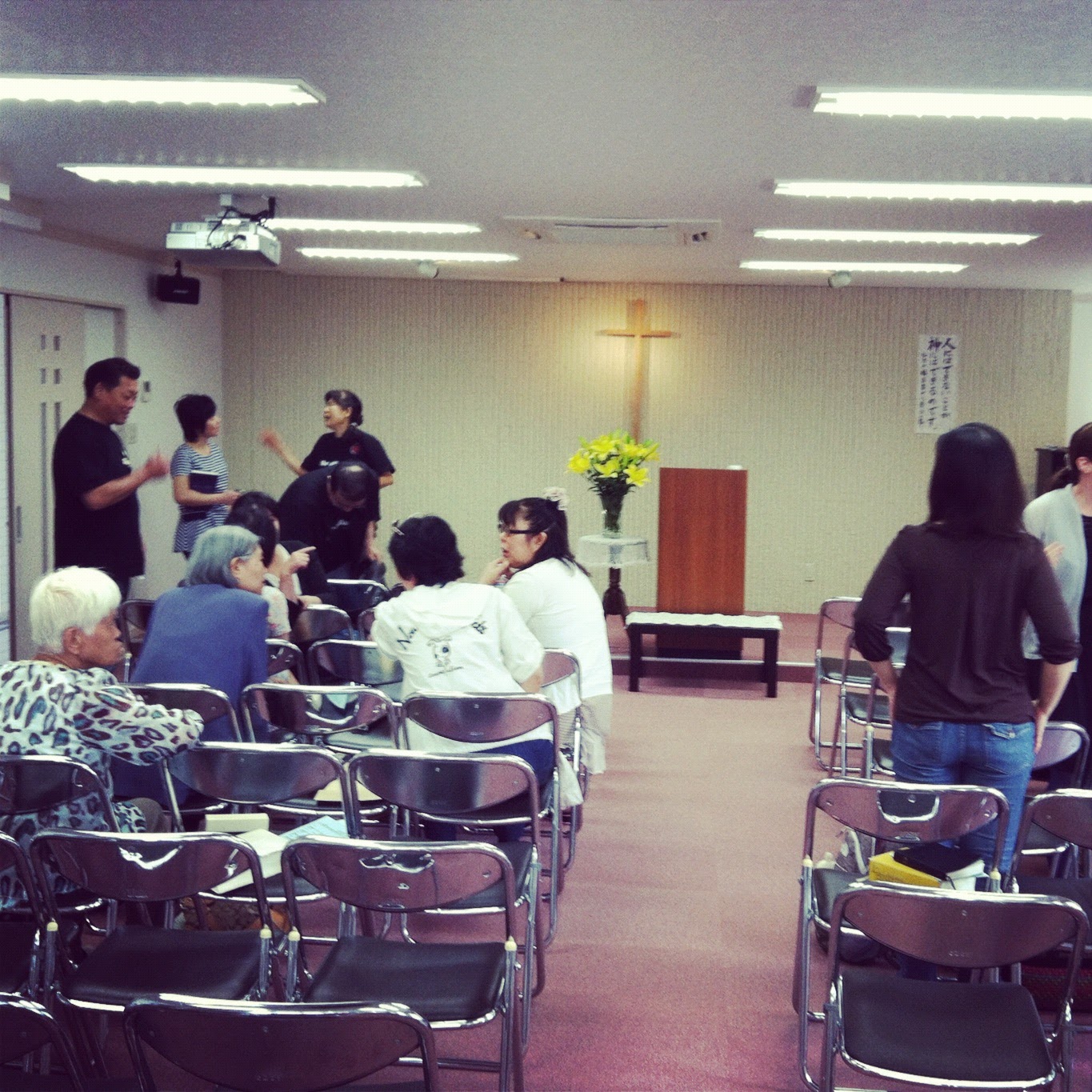
The next morning, I experience my first Japanese Christian church plant.
Sandra’s dad is the pastor here, though he has to rush out after service to another church across town, because he’s currently the only pastor between the two. I stay for a fellowship lunch, which is a cozy affair with only about 20 people in the whole church, counting me, Sandra, and Rita.
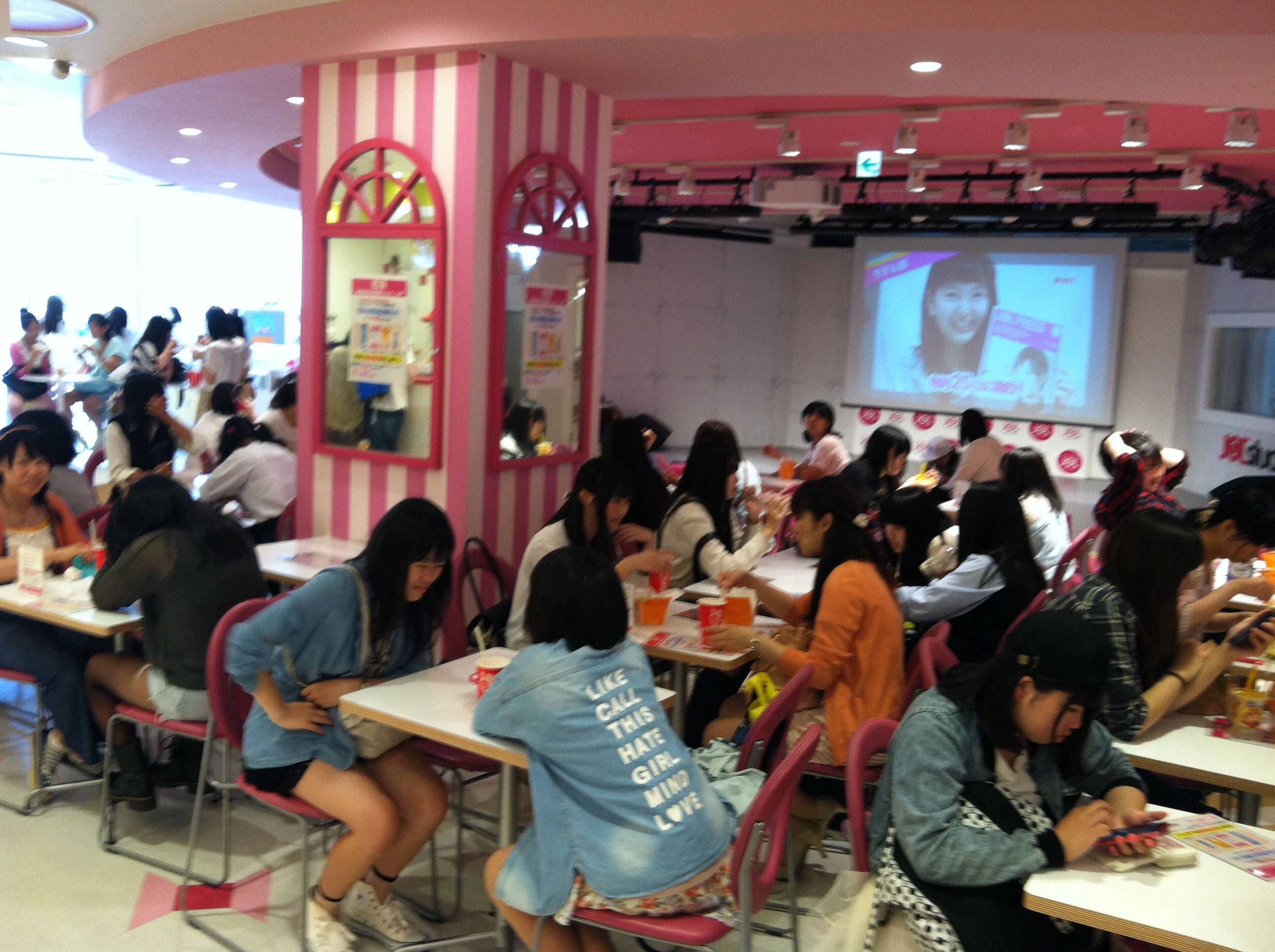
Compared to the crashing ocean waves of downtown Tokyo, the packed-in crowds of a single ice-cream shop, I’m a little taken aback by the sparse turn out for worshiping the King of creation on a Sunday morning. I’m not surprised exactly, I knew the evangelical statistics and all that. I’m just struck by the contrast. This city definitely thrives on all kinds of worship; work and entertainment and highly modern life.
Make no mistake, there are gods in Tokyo.
They don’t love their followers and their followers don’t love them, but the only way to keep souls from seeking the One who can fill the hole inside is to fill it with something else. Tokyo has so much to offer, right down to a posture of awe and respect, the sensation of entering holy ground.
I don’t want to rain on anyone’s parade… unless it’s marching straight into the dark. Then I guess I kinda do. I really love them. I don’t want them to go.
I don’t want them to live empty.
Rita and Sandra walk me to the subway station. I’m so grateful I met these gals. I have a feeling I won’t see them again, and I’m once again introduced to a new aspect of my Japan Travel Life:
Fast friends and abrupt goodbyes.
Before they go, they ask if I want them to come back with me to Asakusa so I don’t get lost. I insist I’m totally fine, I’ve got this whole train transit thing figured out now.
I spend the next 4 hours lost in the Tokyo rail system.
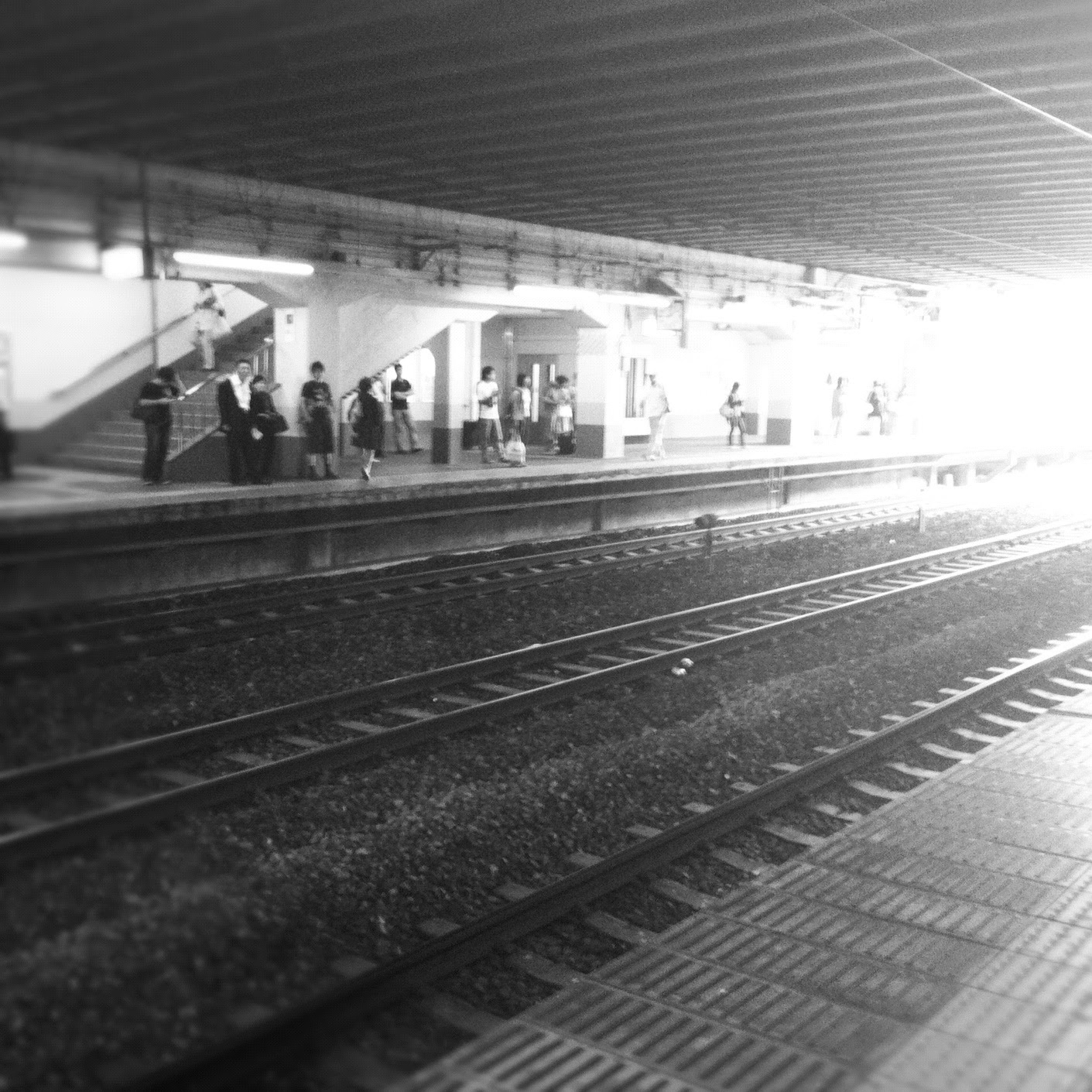


 DO NOT CROSS
Leave a comment