


Where was I? Oh yes, kidnapped.
And it’s Monday. Yesterday was Sunday, and that’s an important story to tell before we head into the deer park, so bear with me.
I promised everyone at home that I would make contact with Christians in Japan before going on this solo trip. A freshly-minted 20-year-old single girl with 0 travel experience, just a giant pink bow and an umbrella that already broke back in Tokyo, is not the FBI’s dream come true, no matter how “safe” Japan is.
So I did my due diligence and emailed the only Christian church in Osaka I could find on Google. I didn’t really know what to say.
“Hi, I’m going to Japan for a month and my loved ones are afraid I have no clue what I’m doing, probably coz I don’t. Can I come visit your church? And then if I get kidnapped, you can maybe call my parents?”
To my surprise, a lovely gal named Desiree wrote back.
“Hi, Katy! Sounds great, see you then!”
Check. I’m so good at this.
(Though I’d like to point out, no one phoned my parents when I got dragged off on this Nara tour against my will, but fine, I get it…)
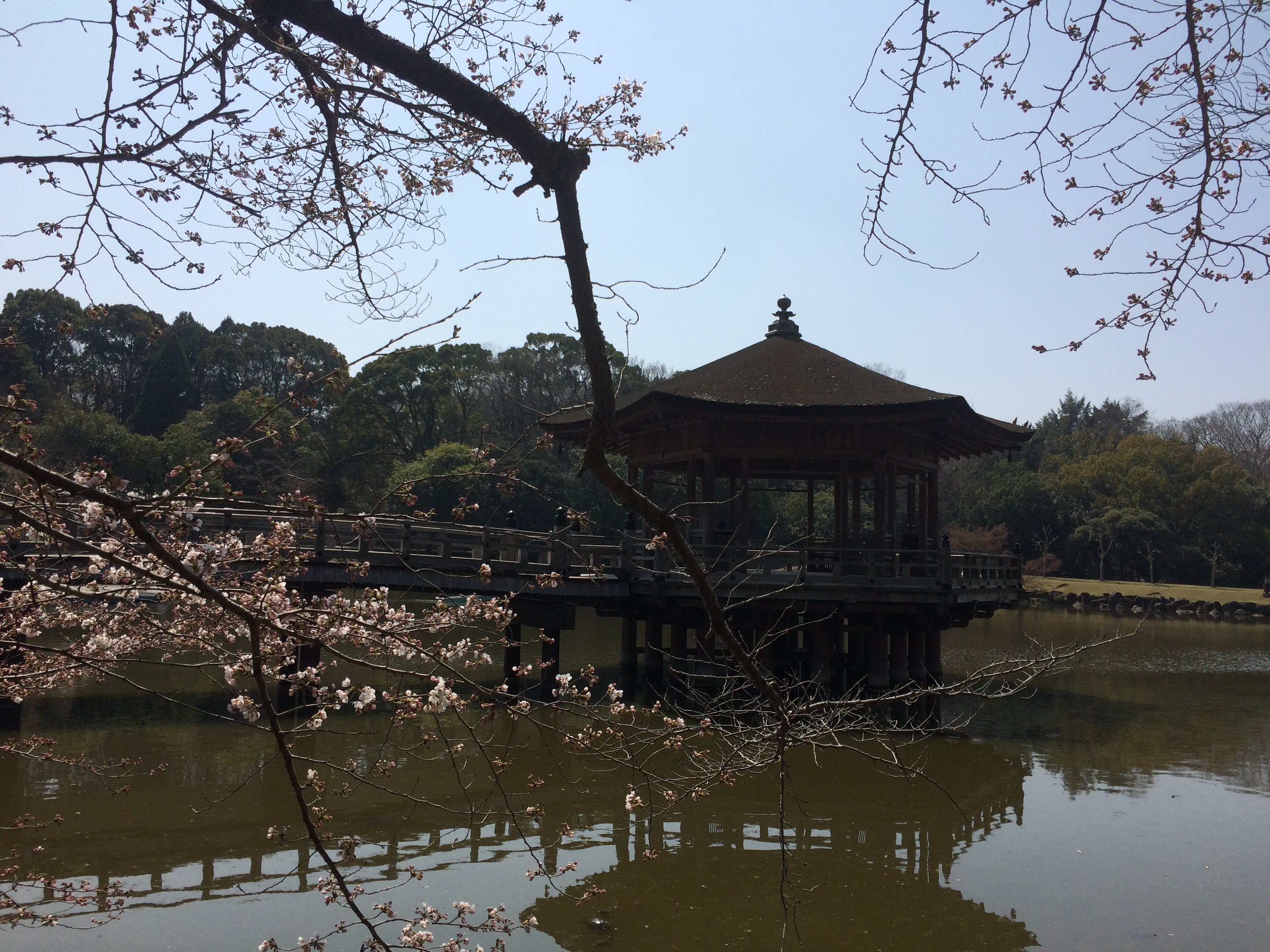
I’m not expecting anything. I know I should be excited to visit a church in Osaka, and unlike the one I attended with Rita and Sandra in Tokyo, this one seems to be growing, with things like Bible studies and some outreach ministry. I want the Japanese to know Jesus—shouldn’t visiting a church be the main event of my whole trip?
Every Christian has a relationship with the word “church”, and the spectrum of good to bad is as expansive and nuanced as it is for any relationship. They change, too; wither or flourish, depending on where you look at the timeline.
My relationship with church, at this particular time-dot of 2013, was shaped by multiple unhealthy churches and influenced by a loud-and-clear message they had sent me on the all-but-taboo topic of missionaries:
“Going to the nations with the gospel is for elite Christians who are weird, and perfect, and don’t belong here, so we send them checks and put their postcards on the communion fridge, thereby checking the box on the List of Church Requirements marked “be involved in global missions”. You, overzealous, homeschooled, unmarried girl-child who doesn’t even know your catechism and refuses to go to college—won’t be going. Stop asking.”
So I stopped.
I decided to go to Japan on my own, assuming God had a different plan to bring the Japanese to himself. The church was—in my miffed, melodramatic, disappointed, quietly hurting mind—a broken machine.
I know I should go to this church in Osaka, but I don’t know why, and I’m prepared for a sparce service, stiff worship, and a long message I won’t understand. I think I’m going coz I can’t tell my friends back home that I didn’t.
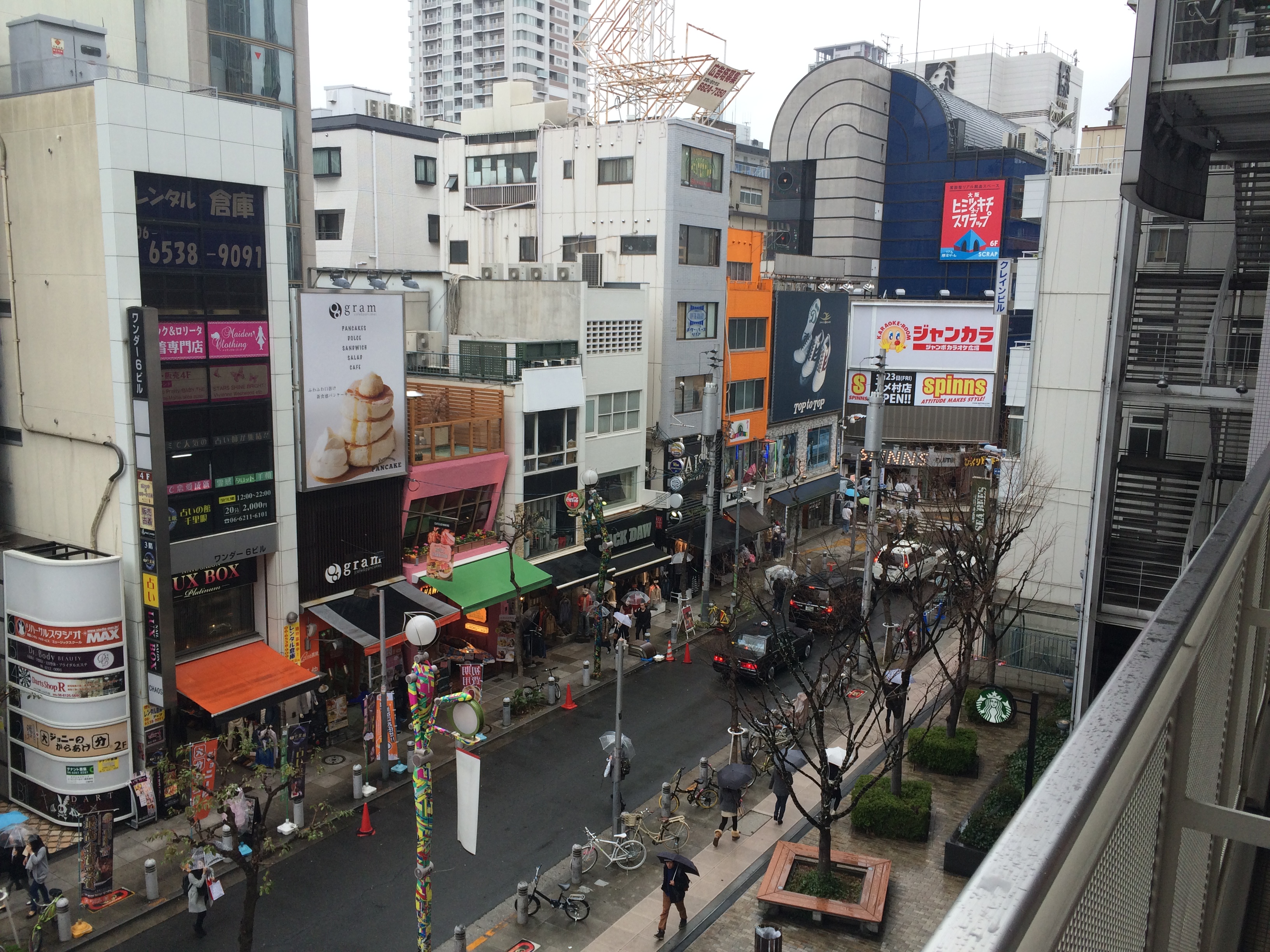
The church is buried in the heart of America Village, in the basement of an earsplitting arcade center. I make sure to come right before service so I won’t have to talk to anyone much, and I sit way at the back in case I’m dressed wrong.
The vibe is already a surprise; the large room is dark and gloaming red from the projector screen above the stage, which has a countdown like we’re about to watch a death-metal band or a comedy special. I’m already shocked by all the young adults flooding in, filling the seats wall-to-wall, and chanting the last few numbers of the countdown in Japanese before the opening drumbeat kicks off.
Oh my, half my row has gone down to the front, there’s a full-on mosh pit happening. Oh gosh, they have smoke machines. My elders warned me of churches like these. Trying not to seem as judgmental as I apparently am, I clap a little and look up at the screen as the white lyrics light up the dim room.
I know this song. It’s in English, but then it suddenly switches. I struggle to keep up with the kanji, but my heart flutters with excitement. I’ve never seen so much praise written in Japanese before.
That’s when I look around.
They told me he wasn’t worshipped here. They said no one knew his name. My Japanese is so bad, I haven’t even asked anyone about him yet, but I turn and I see 30 Japanese students and 20 shakaijin, jumping and dancing, belting out foreign words of honor and praise to the familiar God I’ve known all my life. They love him, they need him, and they know it—and in that moment, across the language barrier, and the cultural divides, and the binding lines we do not cross, we are exactly the same.
This is our music.

I can’t finish the song because I’m crying—how is this happening? How are these young Japanese believers real, and so passionate, and so united? And then in the back of my hurt, bitter, judgmental mind, I have a thought that changes the future of my relationship with the word “church” forever.
“This is worship. Where did your worship go?”
I used to sing like them. It was my favorite part of church, even on the worst Sundays. But cynicism spreads like a disease and joy starves without brothers and sisters to feed it. I had started to reject gathered worship and gathered anything, and music was just one more thing to hum quietly on my own. But I was made for this. For the first time in a church, I don’t feel lonely.
For the first time, I feel so full.
Okay. Back to Nara.
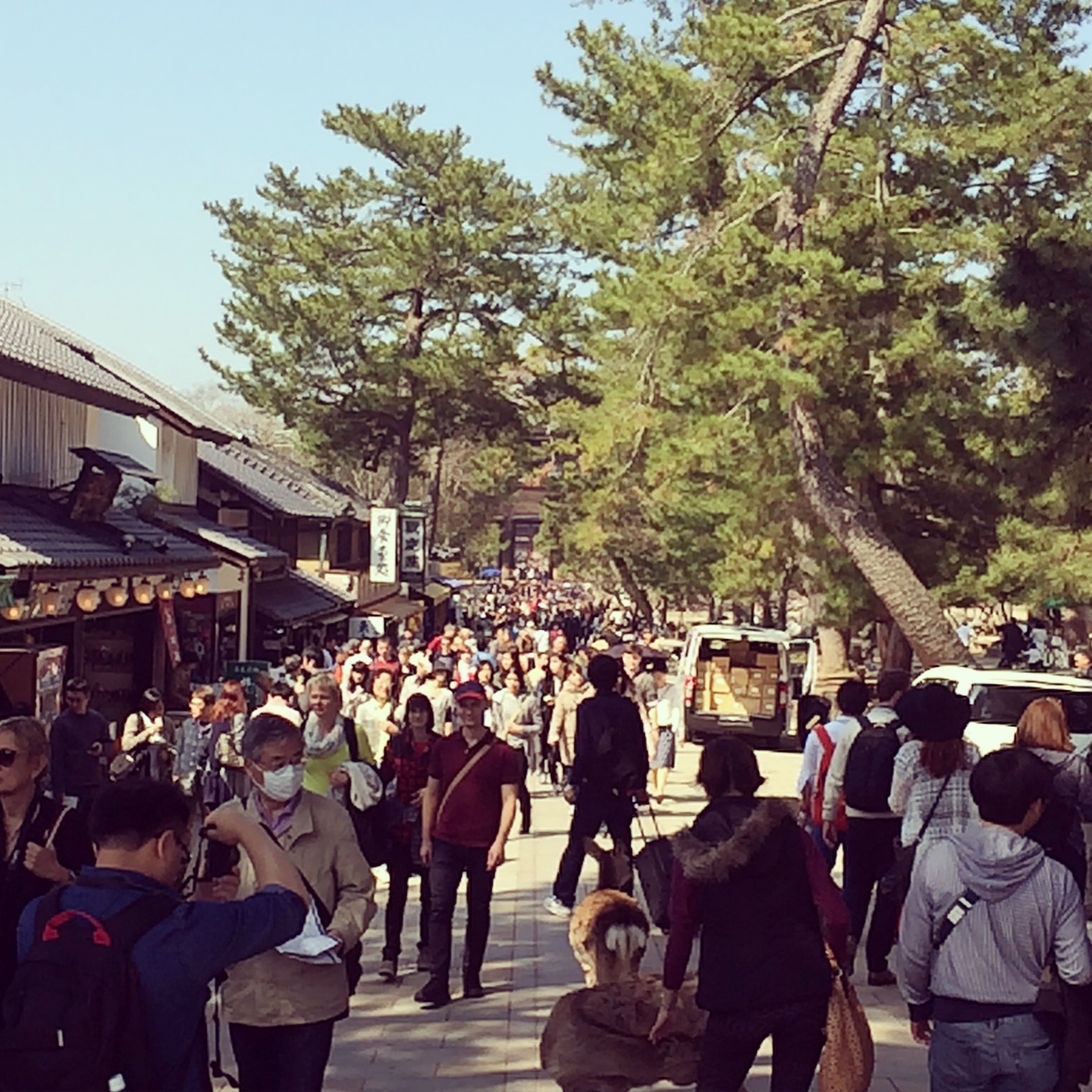
Tanaka-san is very nice, and if I spoke more Japanese, I would probably know a great deal about him. I think he has shared his life story, his profession, his love of America (I caught that word! Amerika…), but despite my disclosing multiple times, “My Japanese isn’t very good,” apparently my ability to say as much in Japanese negates my whole argument and he doesn’t believe me.
Everywhere we go, he has a wealth of knowledge to share and he’s excited to see my reaction. But as we learned in Tokyo, I’m no fun at shrines. I’m not excited about these pagan temples. I’m not enamored of these stone gods. The beautiful trees and wildlife and people are crowded back and divided up by so many shrines, statues, and stalls selling charms and amulets that I can’t see straight, and it’s so hot, and I can’t remember why I came here.
It was to see nature. Just to have a lovely peaceful day, and sort of lightly pray and think about what a nice Sunday I had.
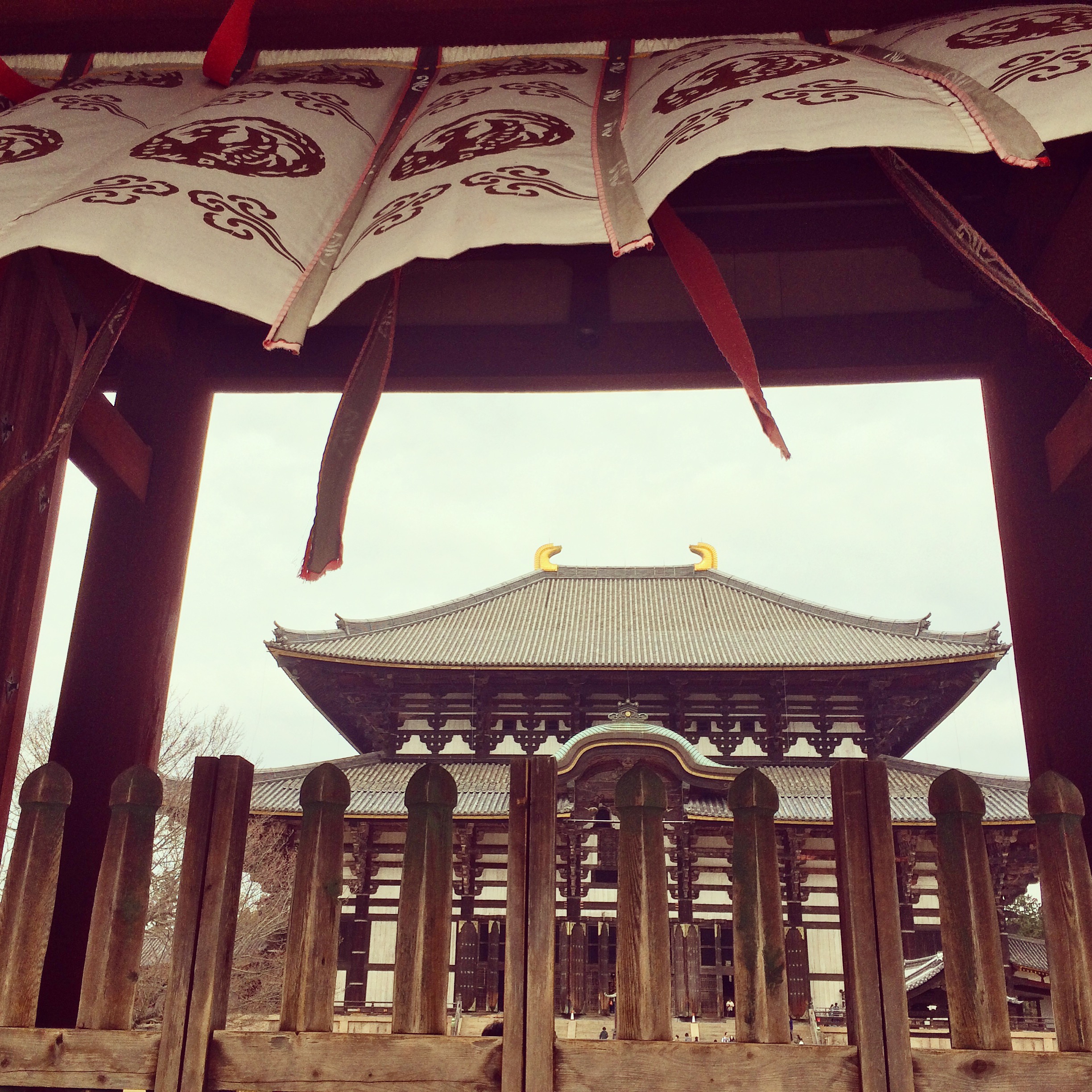
I took Nara Park too lightly.
People are being deceived here. My people—the ones I love, the ones God loves so much, he even shared his love for them with a brat like me. I can feel it now, and I can feel his anger, too.
Two years ago, the people of Japan experienced the horrible loss of 20,000 loved ones in an earthquake and a tsunami. They needed the comfort of the only living God, and all they have are these dead ones. There are little kids here, praying to them; moms here, buying charms; salarymen here, hoping to feel better, feel something; elderly here, going through the empty motions and traditions, like always.
They’re harassed and helpless, like sheep without a shepherd.
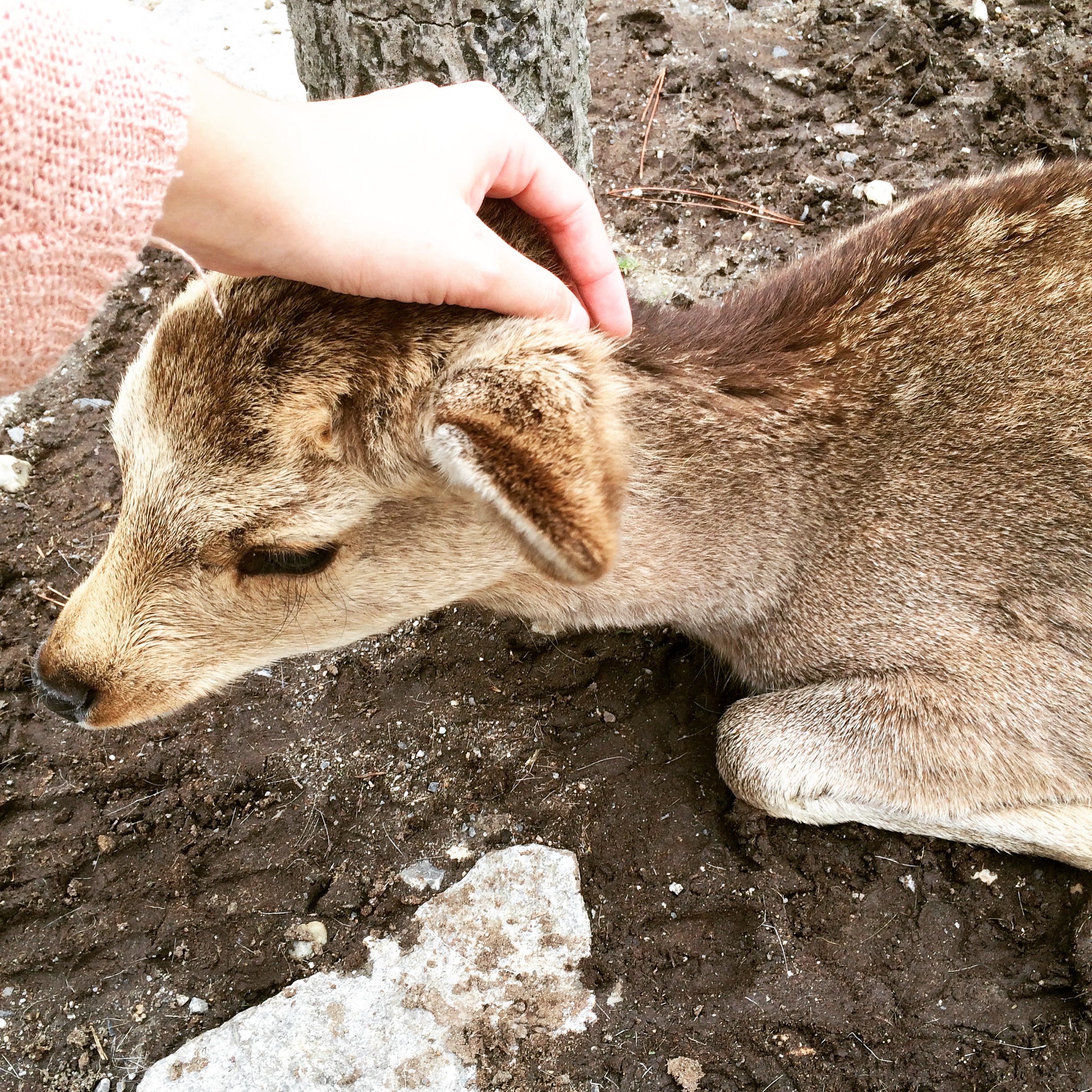
I’m so angry. It’s been a lot of emotions today; I just cried in an earthquake simulator in front of two docents because of a chap with a long-lens, who now wants me to hike up a mountain with him.
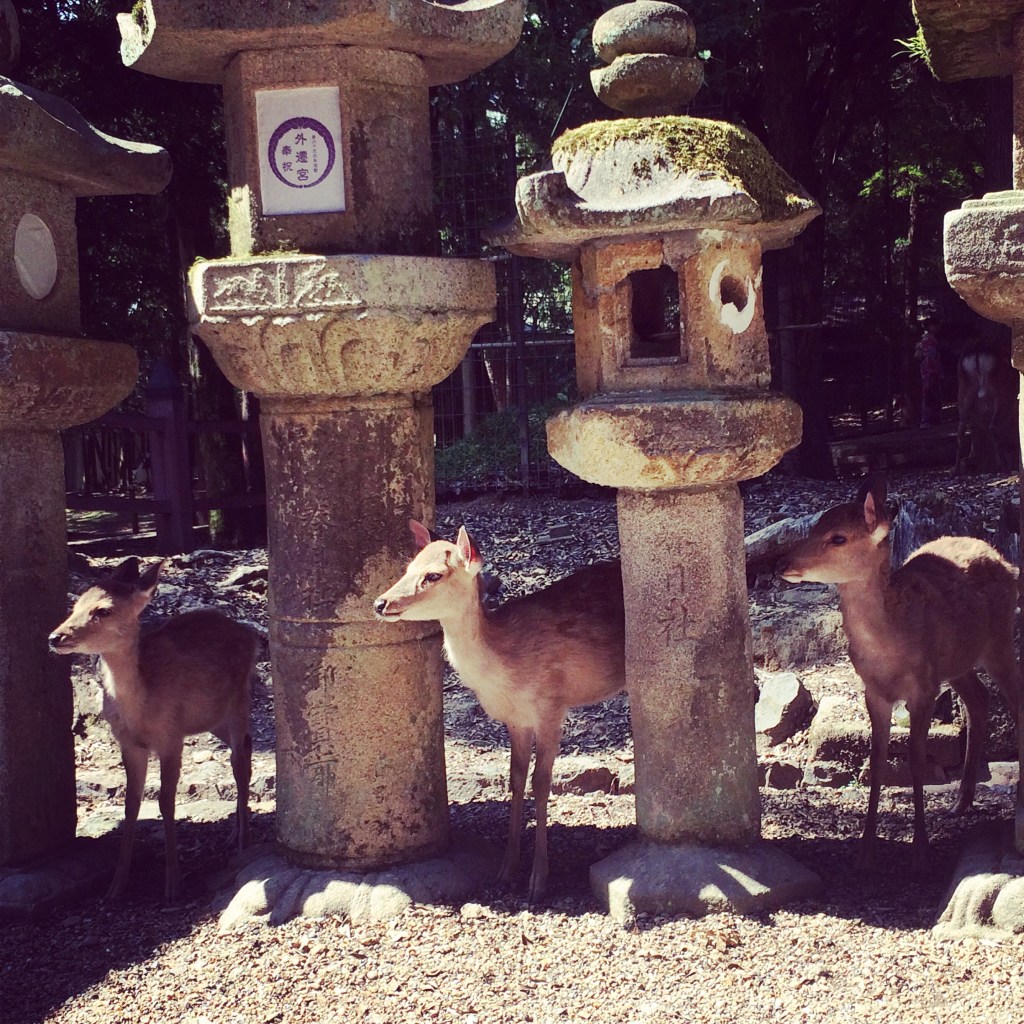
I gaze up at the steep dirt path lined with stone lanterns and the ubiquitous deer. I’ll invent a boyfriend, that’s what I’ll do—I’ll wait ’til we’re coming back down the mountain from whatever golden calf he wants me to fawn over—haha, get it? I’m so mad…—and then I’ll tell him I have to go meet my boyfriend at the train station. and I’ll get the heck outta Deer-Dodge. Works every time.
It’s not another statue at the top of the mountain. It’s a shrine, but inside, there are two living souls. They’re dressed in lovely, historical attire, and playing lovely, historical instruments in the ritual honor of whatever kami is enshrined here.
Tanaka-san’s eyes are closed and he smiles as he listens to the music. The music… it’s not beautiful. It’s not ugly, it’s hard for music to be that. But it’s wrong—it’s so very wrong, and it’s crawling on my skin and stinging in my heart like a sudden sickness. There’s a word for it.
What poured from ransomed hearts in highest praise to the King yesterday, what became gathered worship without a common language, and united foreigners without a single thing in common—that was music. But in this place of wooden temples and stone gods, it’s just another lie; a false antidote that’s nothing but more poison. There’s a word for it.
Tanaka-san finally looks up and asks me why I’m crying again.
“Because it’s empty!” I blurt out, with no hope of explaining exactly what I mean. I just say it again, “This music is so empty.”
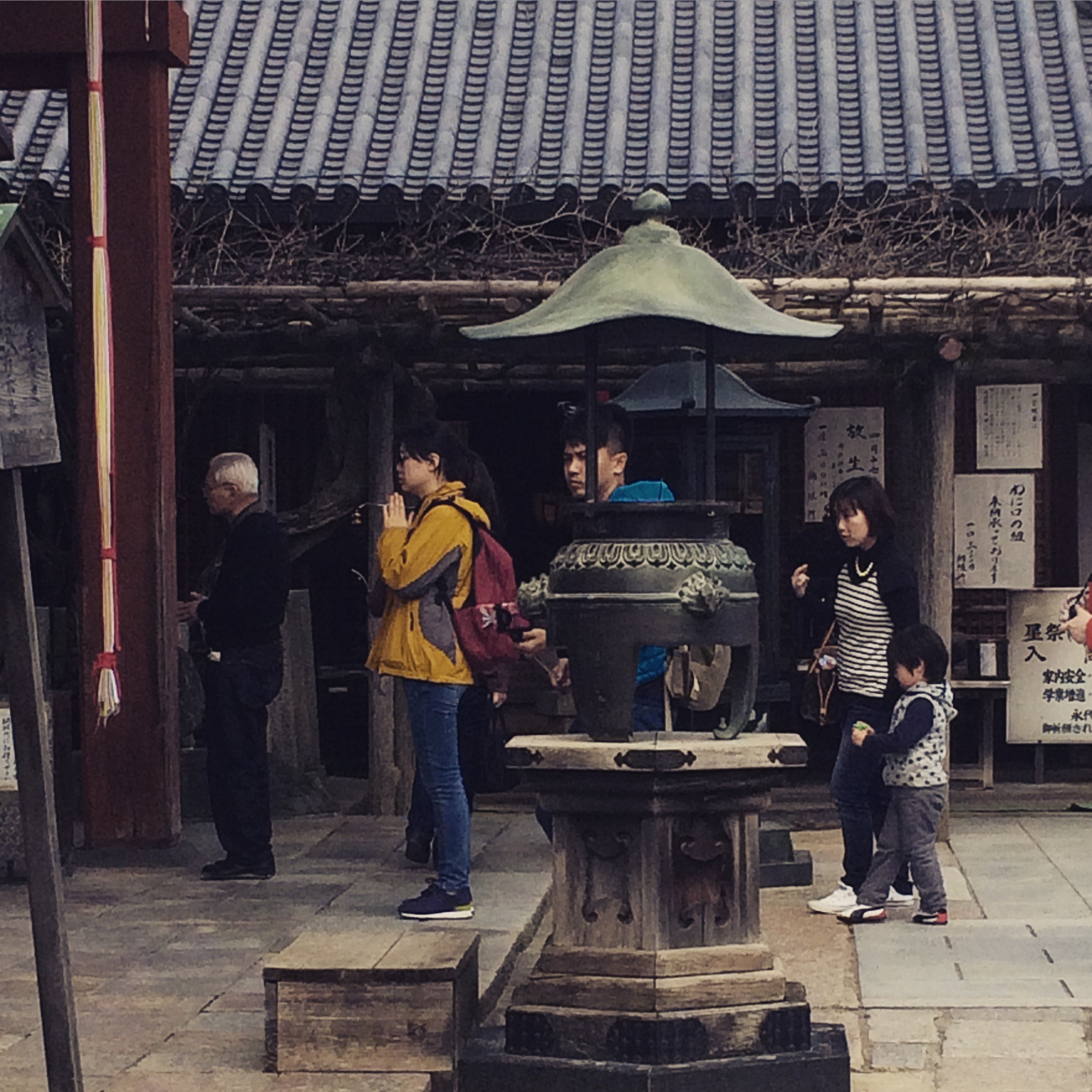
I think Tanaka-san has now observed that I’m not having fun. Or maybe I’ve just embarrassed him too many times today. Betcha’ didn’t expect to score The Weeping Tourist today, lucky you. Either way, I don’t have to invent a fake boyfriend in the end. On our way down, I somehow find the dormant Japanese buried in my block to say, “I should get going,” and thank him for kidnapping me and showing me the park.
I’ve never walked away so fast. Then again, it’s a pretty steep downhill.
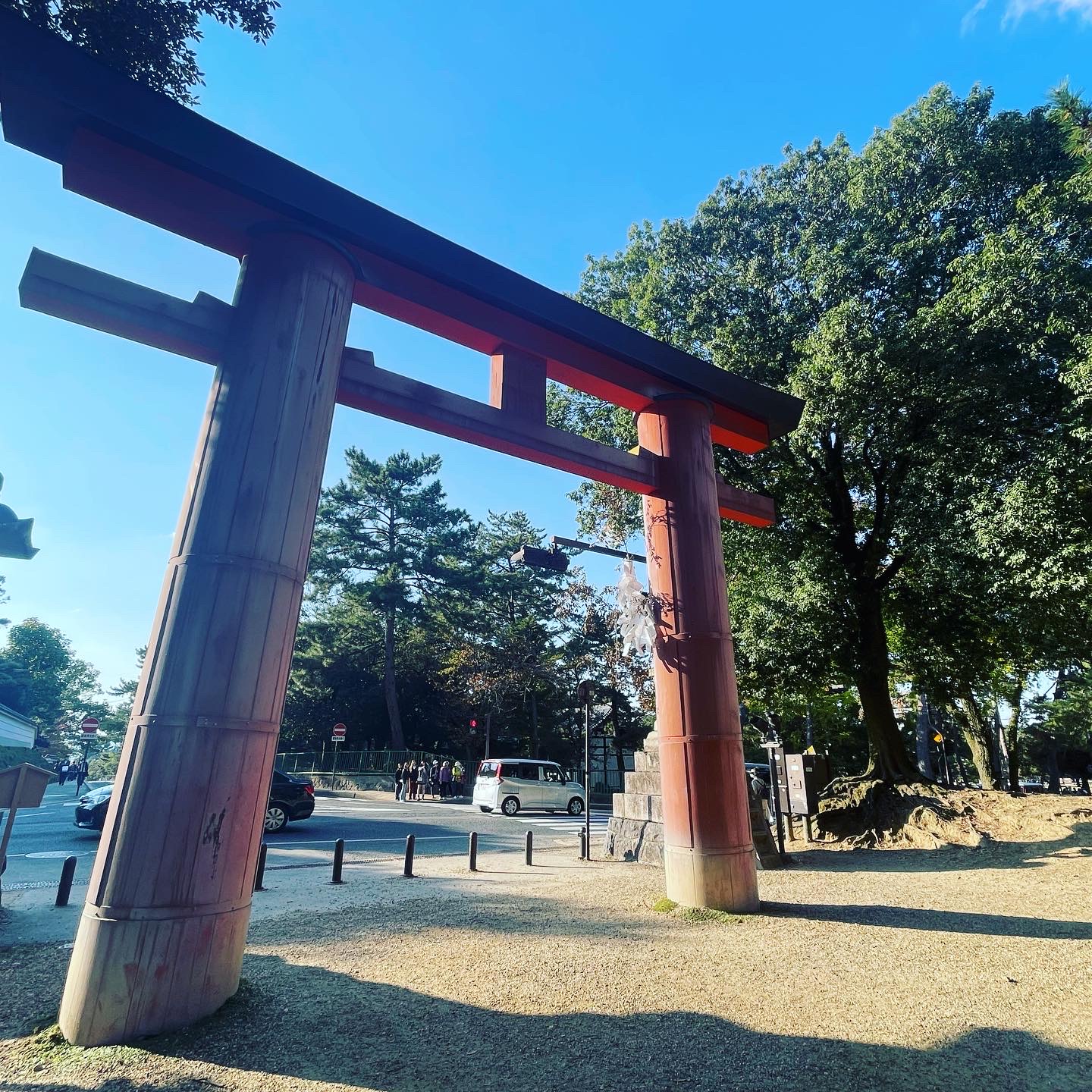
Finally alone, I walk around the front of Todaiji Temple, giving it the biggest stink-eye any girl with a rose-gold rhinestone phone-case has ever given an ancient, inanimate building, and think quite loudly toward it, “I hope you burn.”
I still hope that. Now that I’m older, slightly less melodramatic, and significantly less bitter, I still often pray that Todaiji burns, and that a church is built there instead.
Around the back of the temple, I stop at the edge of a sunbaked clearing. It’s about a square acre of empty space, sandwiched between Todaiji and several shrines. There are no trees to shade the hot sun; in fact no flora is growing here, even the grass is dead. There’s a buzzing of flies in the matted straw and it smells bad. There’s not a soul in sight. Even the deer are avoiding it.
There’s something heavy hovering over this unobtrusive place, whispering and snickering like it rules the backstage of a dark show that’s going swimmingly. The sun is so bright, but it feels like a darkness; a void that presses down, and breathes high, and just dares me come any closer with my nasty little ransomed heart.
I walk to the middle and pray.
“Father, fill this empty place with your Spirit. Drive out the dark, and silence the lies. Take back the beauty you made and the souls you love. Let Nara be filled with praises to your name only. Please bring your truth here, your music. Please save them.”
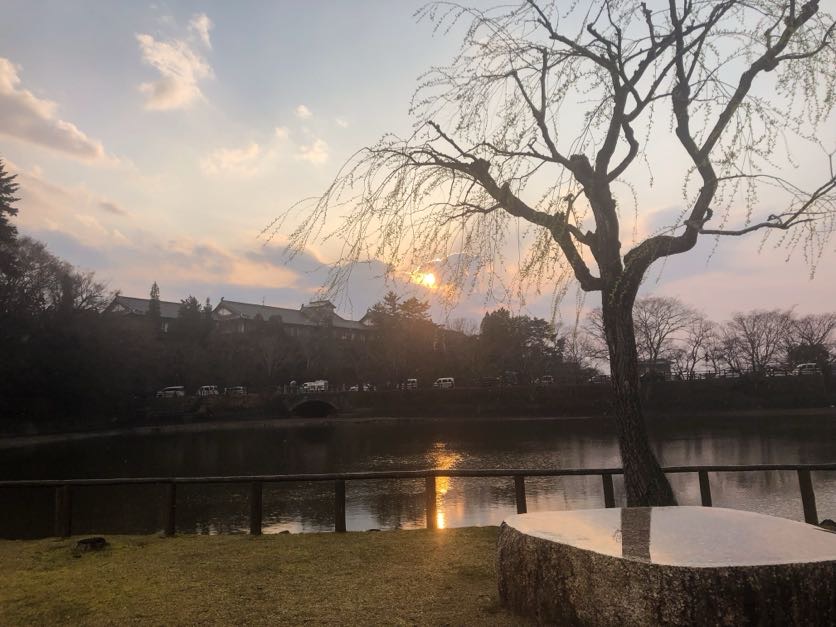
I’ve come back to Nara Park more times than I can count. Neechan has come with me, seen everything I’ve seen, and prayed with me at the Nondai gate, and the front of Todaiji, and all the places where the kids pray and feed crackers to the deer. I’ve never found that spot again, though—I’ve looked. Maybe it’s still there, and that dark still hovers and whispers.
I don’t know. I do know that darkness is all over Nara, and I also know it doesn’t stand a chance.
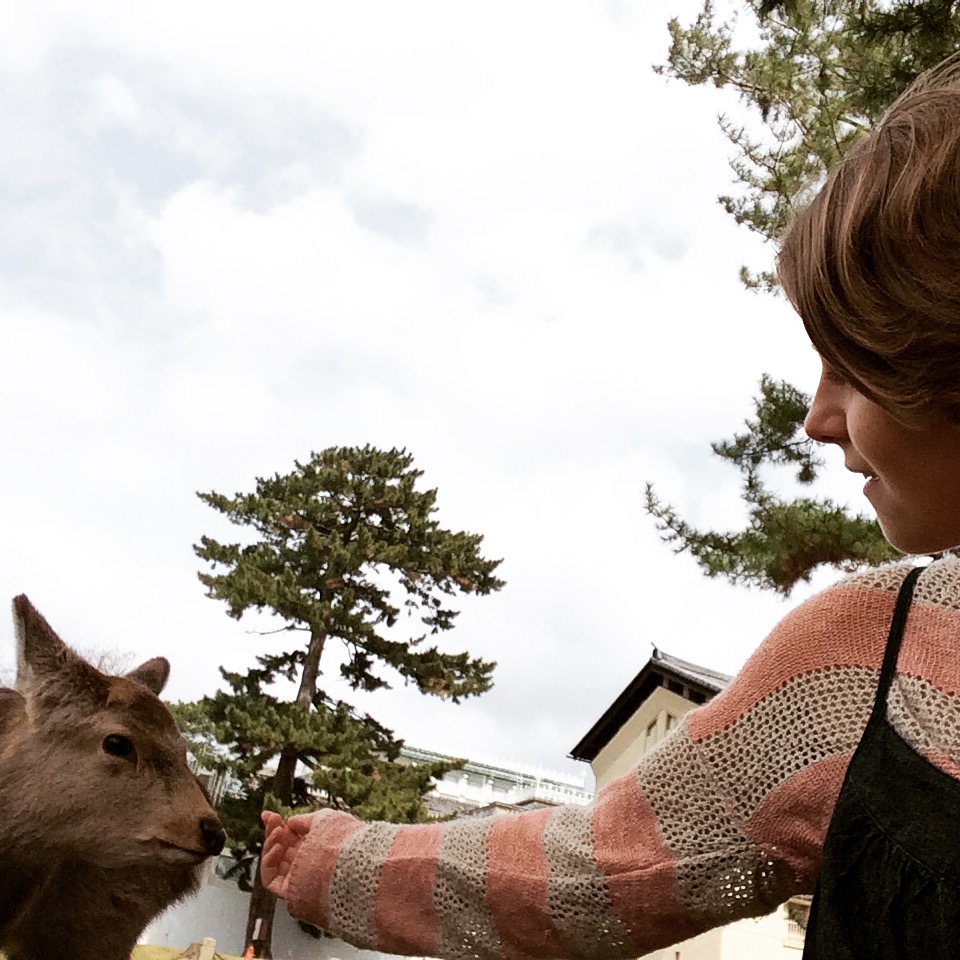
My first trip to Nara was so much weirder than I’d planned or wanted. I wouldn’t trade it, though, anymore than I would trade that first Sunday at church. It’s funny—I was only in Japan for one month in 2013, almost my shortest trip ever. But it changed everything in me.
That keeps happening, on every trip, from my 20s to my 30s. That’s why I sometimes tell people, just for fun, and coz it ain’t even quite a fib,
“I grew up in Japan.”

 DO NOT CROSS
Leave a comment